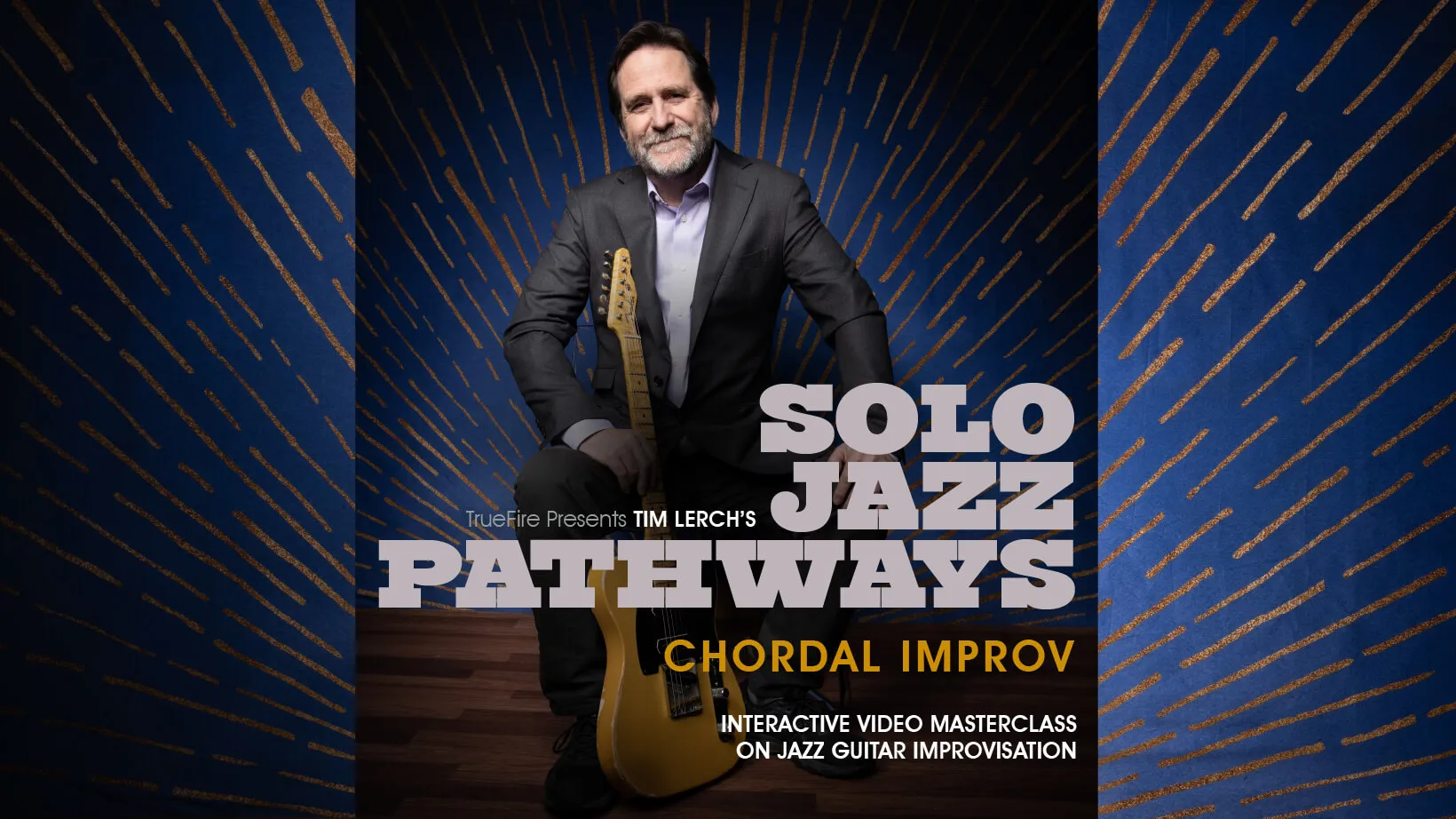
Solo Jazz Pathways: Chordal Improv

Interactive Video Masterclass on Jazz Guitar Improvisation

Marty FriedmanTommy EmmanuelSteve VaiEric GalesEric Johnson

Get this course and 1,000+ more with All Access

Try 14 days free. Cancel any time.

Purchase Individual Course for $24.99
Solo Jazz Pathways: Chordal Improv

About this course

There are a variety of ways to approach improvising when playing solo jazz guitar. Some players intersperse melodies with their chords, and some might play long sections of single-note lines without any supporting harmony.

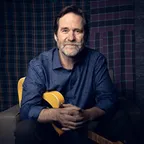
We're thrilled to welcome Tim Lerch to the TrueFire family with his first interactive video guitar masterclass covering his unique and creative approaches to jazz improv.

"The approach that’s always been near and dear to my heart is crafting an improvisation that maintains the elements of bass, rhythm, harmony, and melody — all resulting in an orchestral effect with lush chord changes, soulful melodies, and a nice groovy pulse throughout.

Imagine you’re accompanying a singer in a duo or you’re playing a solo arrangement and after you’ve played the theme, and now it’s time for you to improvise. What do you do then? You need a deep palette of meaningful melodic material and a variety of harmonic options to keep the song swinging and feeling great. That’s exactly what I’ll share with you here in this edition of Solo Jazz Pathways."


Tim has organized this course into short sections, each of which presents creative ways to approach improvising over commonly encountered jazz progressions while keeping the chords ringing and the groove swinging. Each section includes an improvised performance illustrating a real-world application of each concept.

We’ll start with a focus on the most essential changes in jazz, the two five one progression in the key of C. We’ll work on chordal improv approaches for a two five one six in D. Then we’ll flip things around with a set of lessons focusing on the one six two five progression in Eb. There’s a minor two five set in D. Then we’ll focus on Jazz Blues in Bb.

In section 6, Tim takes you through an inversion crash course highlighting options for some of the most commonly encountered changes in jazz. Then, you'll dig into some flat five subs and tricks for getting more juice out of the changes to the standard, All the Things You Are.

Section 7 highlights chordal improv approaches for longer and more sophisticated, but popular jazz progressions. And finally, Tim wraps up the course by giving you five solo jazz performance studies where he'll improvise melodies and talk about some of the ways he approaches the changes to the classic standards such as Georgia on My Mind, Autumn Leaves, Body & Soul, Alone Together, and last but not least, you'll play a funky, gospel original called, “Can I get an Amen?”

Tim will explain and demonstrate all of the key concepts and approaches along the way. You’ll get standard notation and tabs for all of the performance studies. Plus, you’ll be able to use TrueFire’s learning tools to sync the tab and notation to the video lesson. You can also loop or slow down the videos so that you can work with the lessons at your own pace. All of the backing tracks are included to work with on your own as well.

Grab your guitar and find your pathways with Tim Lerch!

What you'll learn

  • Use flat five substitutions as additions to create richer harmonic movement
  • See practical application of chord inversions for bass movement
  • Adjust melodic density based on tempo requirements
  • Observe how to improvise over a jazz standard progression
  • Understand how to combine melody and chords in block chord style
Release date: 03/09/2020 • 3h 09m runtime
Start Course
Sample lessons
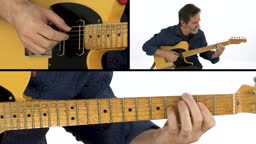
ii V I Improv in C
ii V I Improv in C
Performance
Using Chromaticism
Using Chromaticism
ii V I VI in D: Demo
I VI ii V Improv in Eb
Performance
Basic Melody & Movement
ii V i in Dm: Demo

What's included

69 lessons • 42 charts

Solo Jazz Pathways: Chordal Improv
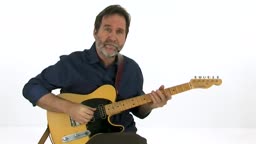
Hi I'm Tim Lerch. Welcome to this Chordal Improv edition of Solo Jazz Pathways.

There are a variety of ways to approach improvising when playing solo jazz guitar. Some players intersperse melodies with their chords, and some might play long sections of single-note lines without any supporting harmony.

The approach that's always been near and dear to my heart is crafting an improvisation that maintains the elements of bass, rhythm, harmony, and melody - all resulting in an orchestral effect with lush chord changes, soulful melodies, and a nice groovy pulse throughout.

Imagine you're accompanying a singer in a duo or you're playing a solo arrangement and after you've played the theme, it's time for you to improvise. What do you do then? You need a deep palette of meaningful melodic material and a variety of harmonic options to keep the song swinging and feeling great — that's exactly what I'll share with you here in this edition of Solo Jazz Pathways.

I've organized this course into short sections, each of which present creative ways to approach improvising over commonly encountered jazz progressions, while keeping the chords ringing and the groove swinging. Each section includes an improvised performance illustrating a real world application of each concept.

We'll start with a focus on the most essential changes in jazz, the two five one progression in the key of C. Then, we'll work on chordal improv approaches for a two five one six in D. Next, we'll flip things around with a set of lessons focusing on the one six two five progression in Eb. There's also a minor two five set in D, as well as a jazz blues in Bb.

In section six, I'll take you through an inversion crash course highlighting options for some of the most commonly encountered changes in jazz. Then we'll dig in to some flat five subs and tricks for getting more juice out of the changes to the standard "All the Things You Are".

Section 7 highlights chordal improv approaches for longer and more sophisticated, but popular jazz progressions.

And finally, I'll wrap up the course by giving you five solo jazz performance studies where I'll improvise melodies and talk about some of the ways I approach the changes to the classic standards.

All of the key examples and performances are transcribed and you'll be able to sync the tab and notation to the video using TrueFire's learning tools. You can also loop or slow down the videos so you can work with the lessons at your own pace.

Are you ready to get started? Grab your guitar and join me on this journey down the solo jazz pathways.
SECTION 1: ii V I in C
I've never been much of an "arrangement guy". I like to be able to play lots of variations and improvise my way through a tune. This course will give you a foundation to be able to improvise melodies above the chords while keeping a nice groove or pulse. For the most part, the chord forms aren't too difficult, and in most cases are abbreviated versions of chords you may already know. Of course there are challenges in the physical aspect of playing this way so take it slow and really try to get the chords to ring and the melodies to sing.
Add a Basic Melody
First we need to see the "map of the neighborhood". The neighborhood in this case is the notes of the key of C major that we can reach while holding the abbreviated chord shapes. Once you see and hear the neighborhood you can play lots of simple melodies and use your ear to get to sounds that please you. Take your time and explore!
Melody in 8th Notes
This section adds a more 8th note approach to the melody line, but be sure to play whatever rhythmic variations that you like as long as the beat is steady. The notes choices are somewhat determined by the physical limitations but rhythmic variations can really add lots of variety. I also spend a bit of time talking about the picking hand in this section, be sure to look closely at the notation to see how the bass notes and the chord punctuation align with the melodic content.
Altered Dominant Sounds
Tension and resolution is really the name of the game. The altered melody notes that occur on the G7 chord are derived from the "altered scale" also known as "super Locrian" or the 7th mode of melodic minor. We don't have to worry about those names too much, just get the sounds in your ear and understand them in relation to the basic chord. The altered notes are b5, #5, b9 and #9 and each tends to want to resolve to a nearby note of the I chord. Experiment a lot and you'll get it. Try playing a basic G7 chord and see if you can sing the #5 or the b9, etc. These sounds might be a bit foreign at first, but as you learn the way they sound you'll be able to add lots of beauty to your playing.
Altered Dominant Options
Now we're going to move up the fingerboard to another very common Dmin7 shape and then use a nearby G7 altered that has the b7th in the bass then move smoothly to a C6/9 with the 3rd in the bass. Good voice leading is such a beautiful thing! More on inversions later, for now just get these sounds in your ear and under your fingers.
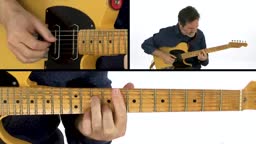
Using Chromaticism
An alternative to the "altered dominant" is to use chromatic melody material. This approach allows for the use of chromatic notes in a "gravity toward a destination" rather than using notes specific to a particular scale. Notice that I use 1 b9 and natural 9 all in a row on this one.

+ 62 more lessons

Start Course

Reviews

65 results

sunburst1

Verified buyer

06/24/26

Tim Lerch - Solo Jazz Pathways

I haven't gone through the whole video yet, but if you already like Tim's playing, as I do, this is a fantastic demonstration of what a great teacher he is. Great video, for sure!!

Nbevan3

Verified buyer

11/26/25

Well presented

Tim puts things over in a clear way - a good mix of theory, "put your finger here" and "use your ears"

Direkoglu

Verified buyer

11/13/25

Best teacher on fire

Great lessons the best teacher on true fire

Kennh1

Verified buyer

10/03/25

Beyond me for now. Really looking forward to it. I like the instructor.

Tiziano78

Verified buyer

07/05/25

Great course and great teacher.

Stop searching. Start improving with All Access.

Try 14 days free. Cancel any time.