
ramoncandido
Verified buyer
12/11/25
GP pro files important
I have my Aaron Shearer and Carcassi Method but this course open up everything . GPpro files are important watching it made the course more meaning full.


Get this course and 1,000+ more with All Access
Try 7 days free. Cancel any time.
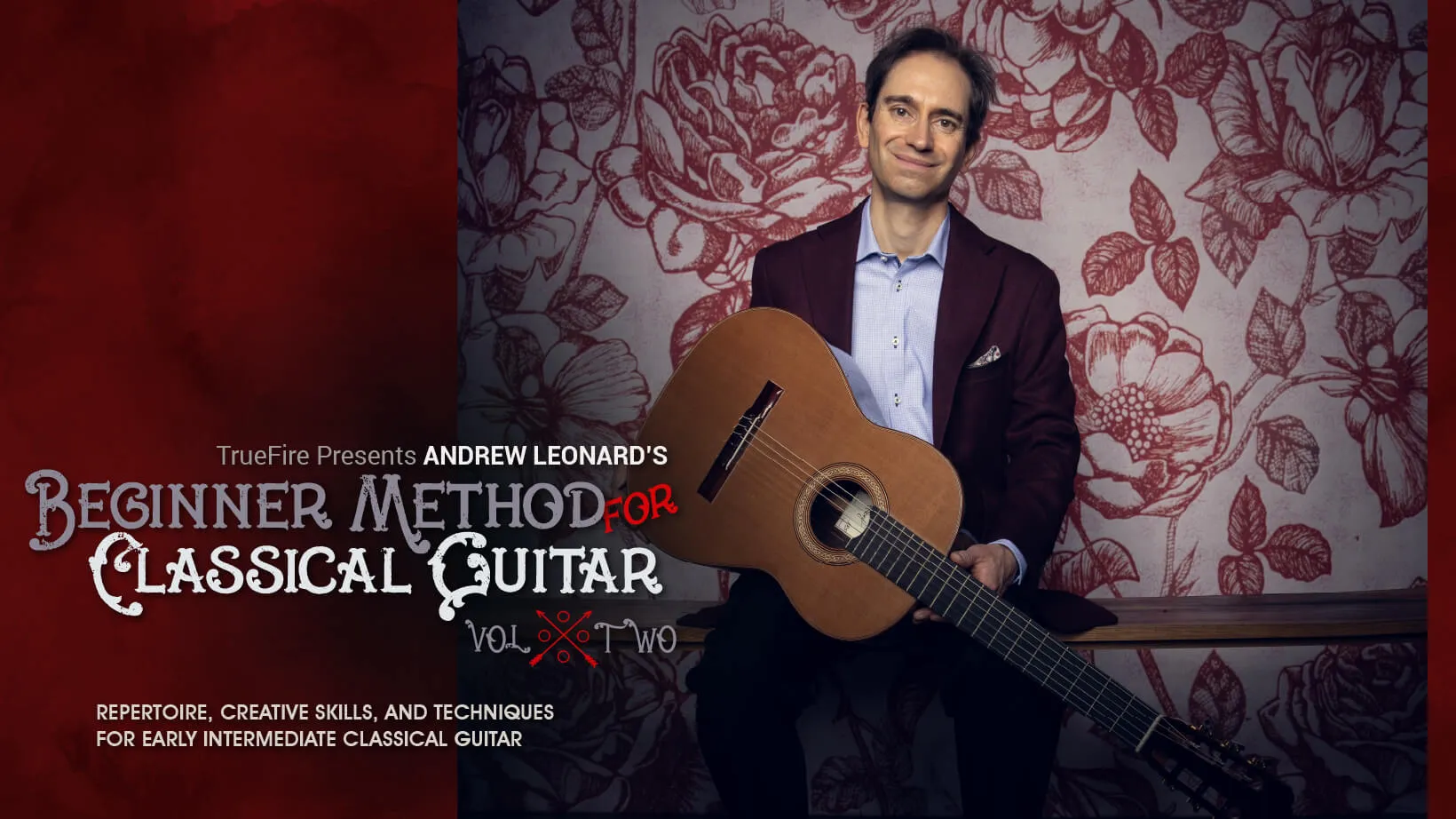
About this course
What you'll learn

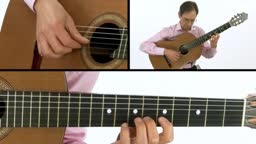
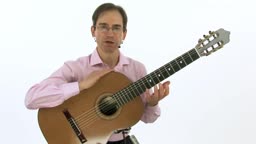

56 lessons • 38 charts
+ 49 more lessons
12 results
ramoncandido
Verified buyer
12/11/25
GP pro files important
I have my Aaron Shearer and Carcassi Method but this course open up everything . GPpro files are important watching it made the course more meaning full.
dharum
Verified buyer
12/04/25
Great course.
It’s a very good course. I love Andrew Leonard as a teacher.
Dave58
Verified buyer
03/31/23
Classical guitar vol.2
This is a very helpful and enjoyable course. mr. Leonard wants you to learn with perfect posture, to feel at home in the classical world. The lessons are explained and taught in his own laid back way. Well-chosen lesson examples. Recommended!
Aditya3
07/11/21
Best Course On TrueFire For Classical Guitar
Sir Andrew Leonard....I Want 3rd Volume in this series of Beginner Method For Classical Guitar.... Intermediate Method
mccambda
Verified buyer
03/01/21
Beginner Method Classical guitar Vol 2. Andrew Leonard
Very informative course with lots of information. Well presented by the instructor. Good selection of examples for beginner level. The method of concentrating on two main tunes made the application of the examples easier to understand. Some good information also on classical music. I would certainly recommend this course.
Try 14 days free. Cancel any time.