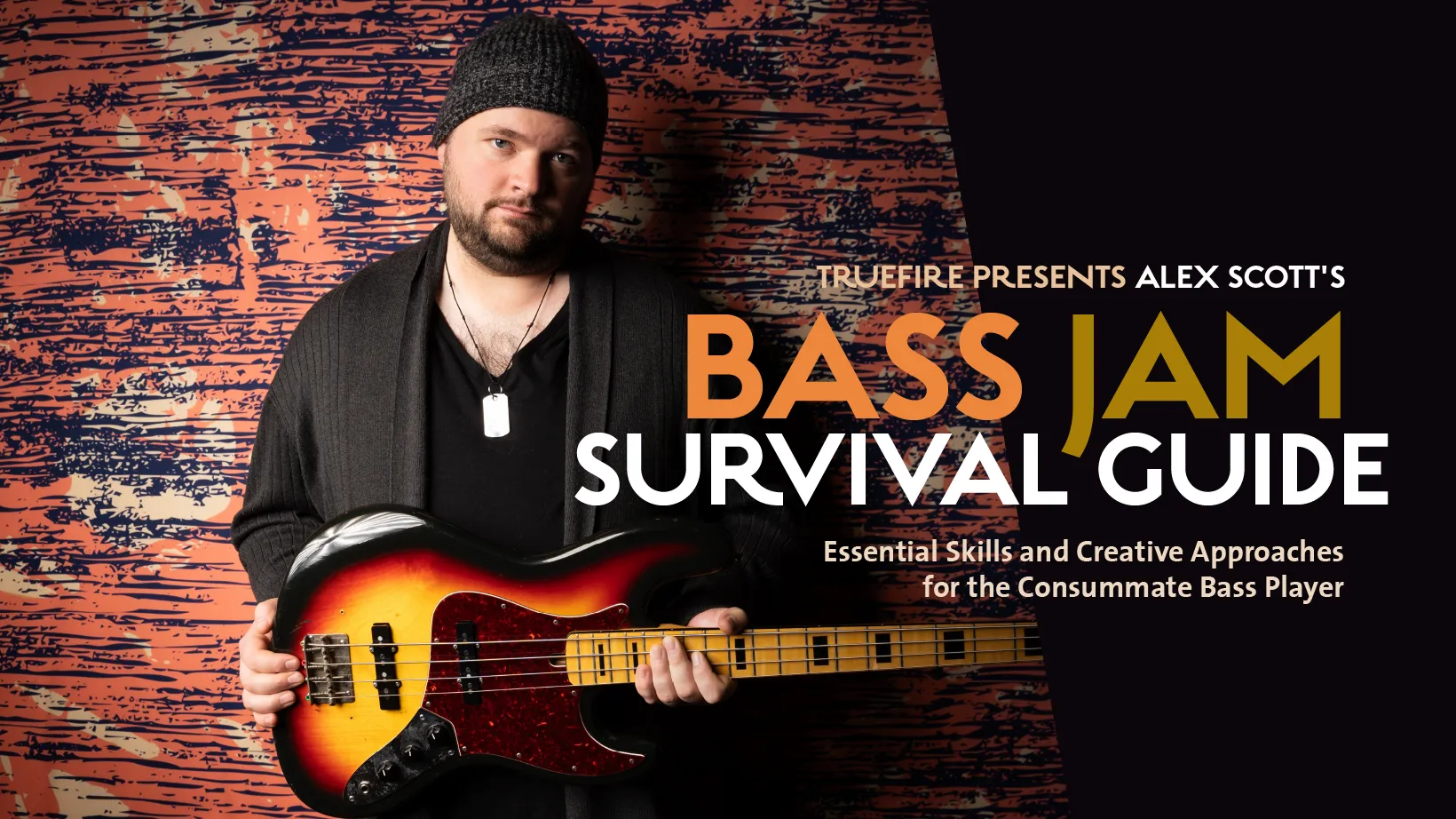
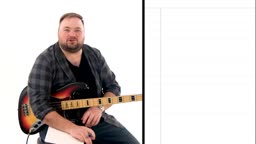
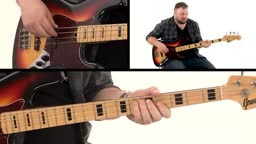
Bass Jam Survival Guide

Essential Skills and Creative Approaches for the Consummate Bass Player

Marty FriedmanTommy EmmanuelSteve VaiEric GalesEric Johnson

Get this course and 1,000+ more with All Access

Try 14 days free. Cancel any time.

Purchase Individual Course for $14.99
Bass Jam Survival Guide

About this course

Jam sessions are the ultimate test of a bass player’s musicality and creativity.  Adapting to a constantly changing musical environment is the key to surviving and thriving as an improviser.

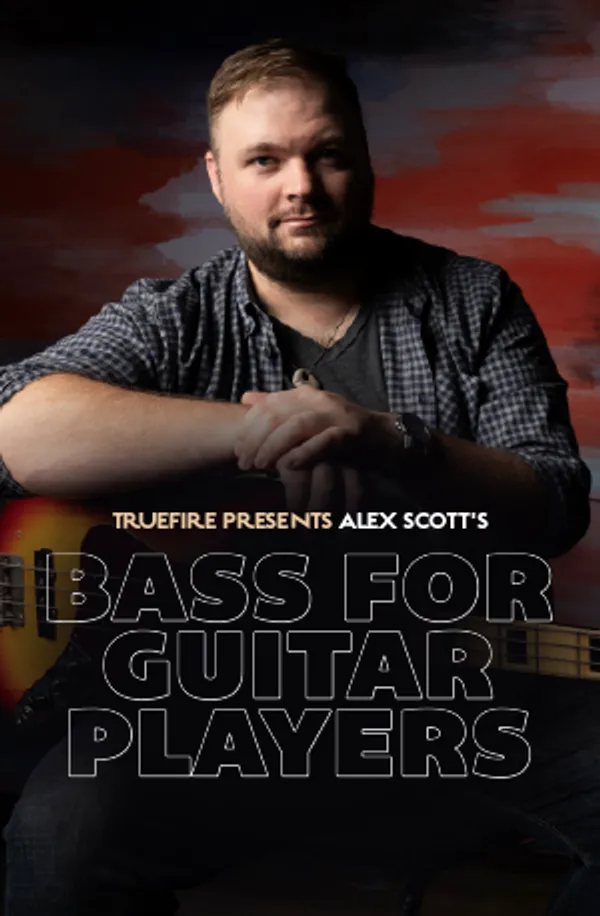
Alex Scott’s “Bass Jam Survival Guide” focuses on the essential skills and creative approaches that players must master to “survive” any jam session or live playing situation they may encounter.

” Bass players need to recognize keys and progressions quickly, command scale shapes and leading tones, and be versatile across many genres, feels, and grooves.

I’ve organized this survival guide into three sets of lessons and practice sessions.  You’ll train your ears to recognize intervals quickly, map out and chart the changes to any song that gets called, gracefully lead the harmony from chord to chord, and lock in with the rest of the rhythm section.

We’ll then dive into seven genre-specific jamming applications to help build your groove vocabulary and prepare you for whatever a jam session might throw at you.”


You’ll have TrueFire’s interactive learning tools to customize your workspace and learn at your own pace.

The demonstrations and performances are tabbed, notated, and synced to the video lessons with controls for looping, slow motion, fretboard animation, and other tools designed to accelerate your progress.

You’ll also get tab and standard notation files to print out, downloadable Guitar Pro files, and backing tracks to practice and record with.

Grab your bass, and let’s “jam” with Alex Scott!

What you'll learn

  • Use silence and muting as rhythmic tools
  • Apply diatonic passing tones in country context
  • Chart a country tune with irregular time signature changes
  • Chart a song by ear in real-time using Nashville number system
  • Build dynamic intensity using note density (whole notes to eighth notes)
Release date: 10/31/2024 • 4h 40m runtime
Start Course
Sample lessons
Theory Essentials: Scale Shapes
Lesson & Demonstration
Theory Essentials: Scale Shapes
Practice Session
Let's Jam 1: Classic Rock
Charting & Stylistic Approach
Let's Jam 1: Classic Rock
Performance

What's included

45 lessons • 31 charts • 12 Jam Tracks

Bass Jam Survival Guide
Hey, Alex Scott here, and welcome to the Bass Jam Survival Guide.

Jam sessions are the ultimate test of a bass player's musicality and creativity. The ability to adapt to a constantly changing musical environment is the key to surviving and thriving as an improviser. We need to be able to recognize keys and chord progressions quickly. We need command of scale shapes and leading tones, and, of course, we need to be versatile across many genres, fields, and groups.

Now, I've organized this survival guide into a series of practical lessons and practice sessions. You'll train your ears to quickly recognize intervals, map out and chart the chord changes to any song that might get called, gracefully lead the harmony from chord to chord, and lock in with the rest of the rhythm section.

We'll then dive into seven genre-specific applications to help build your groove vocabulary and get you ready for whatever the jam might throw your way. There's tab sync and notation, along with slow-mo controls, looping, and fretboard animations, all designed to help you learn at your own pace.

So, whenever you're ready, grab your bass, and let's get started.
SECTION 1: Fundamentals
Okay, so to get started with this course, I want to make sure we're all completely on the same page with some basic shapes, playing techniques, and fundamental concepts on the instrument. If you've been playing bass for a while or have taken a lot of courses already, a lot of this will feel like a recap.

A lot of it will be review. If you're confident in your knowledge, feel free to skim or skip ahead—that's totally fine. However, if you're newer to the instrument, this information might be very new and valuable to you, so definitely take your time with it. We'll be covering scales, basic shapes on the neck, and some ear training.

We're going to learn all about intervals and how to hear different note intervals and their relationships to each other. Then, we'll dive into charting techniques—how we can learn songs, chart out song forms, and visualize them to make improvisation easier.

So, let's go ahead and dive right in.
Theory Essentials: Scale Shapes
Okay, so to get started with this course, I want to make sure we're all completely on the same page with some basic shapes, playing techniques, and fundamental concepts on the instrument. If you've been playing bass for a while or have taken a lot of courses already, a lot of this will feel like a recap.

A lot of it will be review. If you're confident in your knowledge, feel free to skim or skip ahead—that's totally fine. However, if you're newer to the instrument, this information might be very new and valuable to you, so definitely take your time with it. We'll be covering scales, basic shapes on the neck, and some ear training.

We're going to learn all about intervals and how to hear different note intervals and their relationships to each other. Then, we'll dive into charting techniques—how we can learn songs, chart out song forms, and visualize them to make improvisation easier.

So, let's go ahead and dive right in.
Theory Essentials: Scale Shapes
Okay, so to get started with this course, I want to make sure we're all completely on the same page with some basic shapes, playing techniques, and fundamental concepts on the instrument. If you've been playing bass for a while or have taken a lot of courses already, a lot of this will feel like a recap.

A lot of it will be review. If you're confident in your knowledge, feel free to skim or skip ahead—that's totally fine. However, if you're newer to the instrument, this information might be very new and valuable to you, so definitely take your time with it. We'll be covering scales, basic shapes on the neck, and some ear training.

We're going to learn all about intervals and how to hear different note intervals and their relationships to each other. Then, we'll dive into charting techniques—how we can learn songs, chart out song forms, and visualize them to make improvisation easier.

So, let's go ahead and dive right in.
Ear Training with Intervals
Okay, so to get started with this course, I want to make sure we're all completely on the same page with some basic shapes, playing techniques, and fundamental concepts on the instrument. If you've been playing bass for a while or have taken a lot of courses already, a lot of this will feel like a recap.

A lot of it will be review. If you're confident in your knowledge, feel free to skim or skip ahead—that's totally fine. However, if you're newer to the instrument, this information might be very new and valuable to you, so definitely take your time with it. We'll be covering scales, basic shapes on the neck, and some ear training.

We're going to learn all about intervals and how to hear different note intervals and their relationships to each other. Then, we'll dive into charting techniques—how we can learn songs, chart out song forms, and visualize them to make improvisation easier.

So, let's go ahead and dive right in.
Ear Training with Intervals
Okay, so to get started with this course, I want to make sure we're all completely on the same page with some basic shapes, playing techniques, and fundamental concepts on the instrument. If you've been playing bass for a while or have taken a lot of courses already, a lot of this will feel like a recap.

A lot of it will be review. If you're confident in your knowledge, feel free to skim or skip ahead—that's totally fine. However, if you're newer to the instrument, this information might be very new and valuable to you, so definitely take your time with it. We'll be covering scales, basic shapes on the neck, and some ear training.

We're going to learn all about intervals and how to hear different note intervals and their relationships to each other. Then, we'll dive into charting techniques—how we can learn songs, chart out song forms, and visualize them to make improvisation easier.

So, let's go ahead and dive right in.
How to Create Song Charts
Okay, so to get started with this course, I want to make sure we're all completely on the same page with some basic shapes, playing techniques, and fundamental concepts on the instrument. If you've been playing bass for a while or have taken a lot of courses already, a lot of this will feel like a recap.

A lot of it will be review. If you're confident in your knowledge, feel free to skim or skip ahead—that's totally fine. However, if you're newer to the instrument, this information might be very new and valuable to you, so definitely take your time with it. We'll be covering scales, basic shapes on the neck, and some ear training.

We're going to learn all about intervals and how to hear different note intervals and their relationships to each other. Then, we'll dive into charting techniques—how we can learn songs, chart out song forms, and visualize them to make improvisation easier.

So, let's go ahead and dive right in.

+ 38 more lessons

Start Course

Reviews

1 result

Klaus

03/14/25

Excellent course! Highly Recommended!

I love the course and will definitely check out Alex's other courses on TrueFire! After some basic shapes and intervals he shows you how to craft chord charts and how to approach improvising with leading tones. The final section puts everything into practice, just like you would for real when jamming or preparing to jam with others. Highy recommended for advanced beginner and intermediate bass players!

Stop searching. Start improving with All Access.

Try 14 days free. Cancel any time.