Sound on Sound

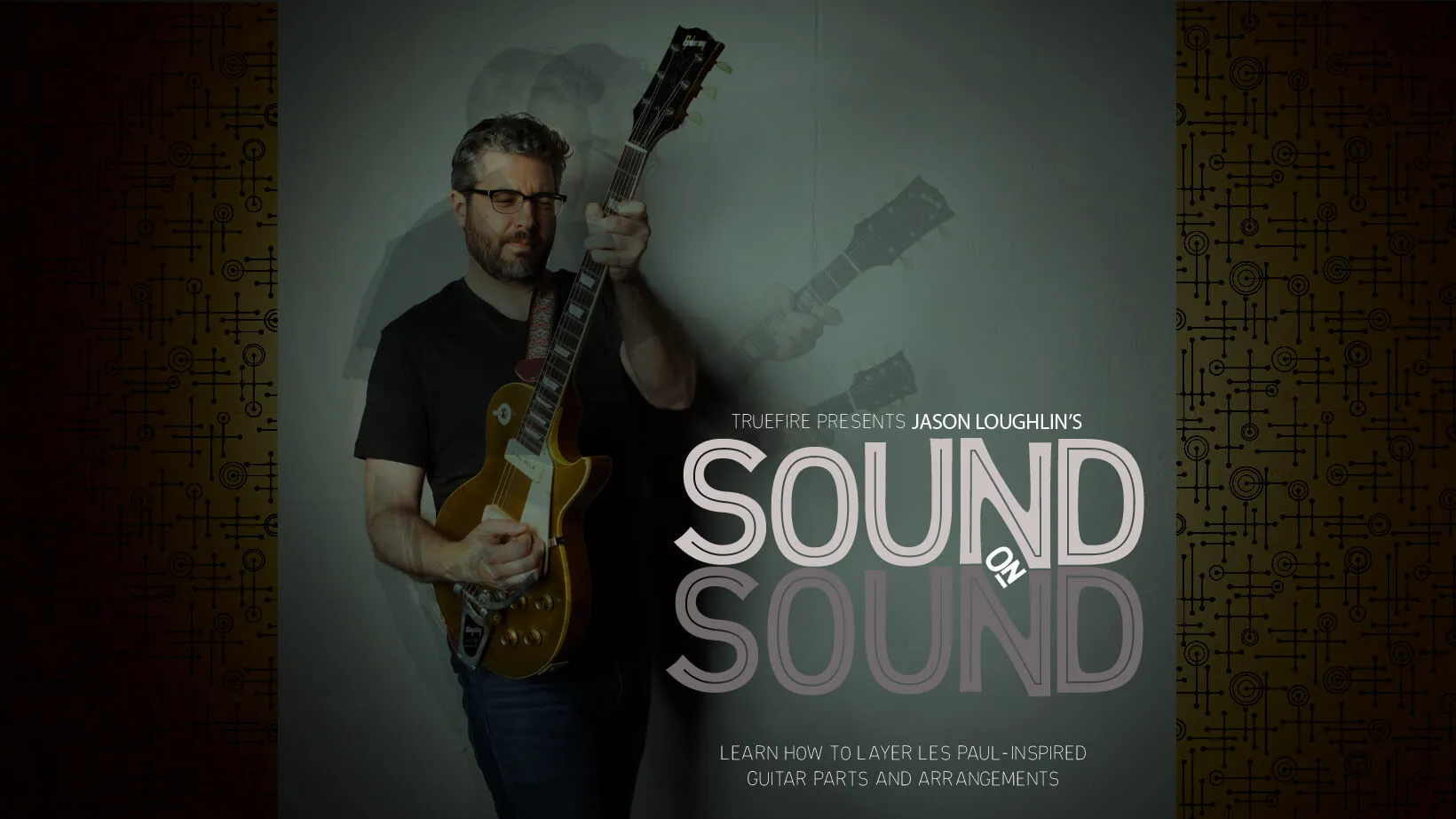
Learn How to Layer Les Paul-Inspired Guitar Parts and Arrangements

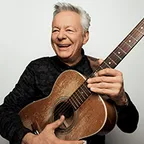
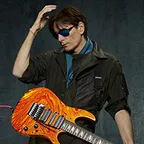
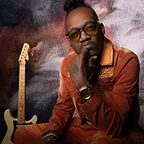
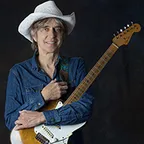
Marty FriedmanTommy EmmanuelSteve VaiEric GalesEric Johnson

Get this course and 1,000+ more with All Access

Try 14 days free. Cancel any time.

Purchase Individual Course for $9.99
Sound on Sound

About this course

Les Paul was not only a brilliant guitarist and arranger but his early experiments with overdubbing (also known as'sound on sound') pioneered the art and science of multi-track recording.

Jason Loughlin’s Sound On Sound groundbreaking curriculum does indeed celebrate Les Paul’s genius but it's also much more than an interactive exploration of multi-track recording for guitarists — it’s an eye and ear-opening learning experience revealing the key creative process behind crafting multiple guitar parts for virtually any arrangement or original composition.

There’s only a handful of courses that belong in every guitarist’s library whatever their level or style preference happens to be — this is unquestionably one of them.

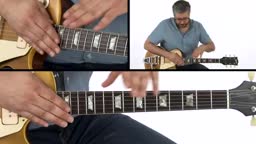
”We’ll work with a Les Paul-inspired multi-track arrangement of the jazz standard “After You’ve Gone” which is comprised of 9 individual guitar parts. Together, we’ll examine the entire arrangement part-by-part. I’ll show you how to play each part, explain why they work harmonically and rhythmically, and how they’re recorded.

You’ll learn how to build a rhythm section by comping using common jazz chords, how to recreate the sound of a hi-hat, a bass guitar, and drums -- all with the electric guitar. 

Once we have our rhythm section in place, we’ll lay down our main melody guitar, and then the real fun begins. We’ll layer five more guitar parts imitating trumpet stabs, sax lines, trombone sections, and unison violin runs to create depth and real conversation between voices.”

Jason organized the course into three sections. In the first section, Jason will share some key background about Les Paul and how he fits into the history of recording and multi-track arranging. You'll also learn more about song form and how to best get ideal echo and reverb sounds in our modern age.

Section 1 Video lessons include: Overdubs & Recording History, Echo, Reverb and Room Sounds, Arrangement Approaches & Form, and Achieving the Sound Today

In the second section, Jason focuses on rhythm and percussion parts. ”We’re going to build our rhythm section with a small army of guitars. We'll start with a rhythm guitar, add bass, percussion sounds by slapping the neck of the guitar and a hi-hat sound by recording at a slower speed. I'll teach you how Les altered the timbre of these guitar sounds by recording at different tape speeds. Obviously we all don't all have tape machines and variacs at our disposal and so I'll also show you how to get these sounds with EQ and delay.”

Section 2 Video lessons, performances, and breakdowns include: Rhythm Guitar Part, Hi-Hat Guitar Part, Bass Guitar Part, and Percussion and Other Sounds

In the third and final section, Jason drill deep on crafting melodies, solo, counter melodies, layered parts, and double speed parts.

Section 3 Video lessons, performances, and breakdowns include: Melody Guitar: Head In, Melody Guitar: Solo Section, Melody Guitar: Head Out, Harmony One: Solo Section, Harmony One: Head Out, Harmony Two: Solo Section, Harmony Two: Head Out, Harmony Three: Highlights, Double Speed Part One: Intro, Double Speed Part One: Solo, Double Speed Part One: Solo Out, Double Speed Part One: Head Out, and Double Speed Part Two: Head Out

All of the parts are tabbed and notated and you’ll be able to sync the tab and notation to the video using TrueFire’s learning tools. Jason also includes the backing tracks. You’ll be able to loop or slow down the videos so you can work with the lessons at your own pace.

Grab your guitar and let’s put 'sound on sound' with Jason Loughlin!

What you'll learn

  • Execute cascading chord arpeggios as a rhythmic bed
  • Create harmonic accompaniment underneath a solo using chord extensions
  • Master consistent pick attack across multiple takes
  • Understand how to use double-speed recording technique to create high octave guitar parts
  • Learn to layer multiple rhythm guitar tracks for fuller arrangements
Release date: 10/28/2019 • 2h 00m runtime
Start Course
Sample lessons
Arrangement Approaches & Form
Overview
Rhythm Guitar Part
Rhythm Guitar Part
Performance
Bass Guitar Part
Bass Guitar Part
Performance
Percussion and Other Sounds
Performance

What's included

60 lessons • 16 charts • 17 Jam Tracks

Sound on Sound
Hi, I'm Jason Loughlin and welcome to Sound on Sound. In this course, we're going to look at the guitar playing, arranging and recording techniques of the one and only Les Paul. Les is one of the most important guitarists ever and is unfortunately still wildly underrepresented. Not only was Les a brilliant guitarist ahead of his time, he's also credited as developing the solid body electric guitar and a recording technique that changed music forever. I'm talking about multi-tracking.

We'll be focusing on the jazz standard "After You've Gone" and dissect a Les Paul inspired arrangement of it part by part. I'll start off by talking about some history and Les Paul's recording techniques that make these record sound like nothing else. Then, we'll talk about basic arranging concepts and arrangement concepts unique to Les Paul. Finally, we'll start to build our all guitar orchestra from the rhythm guitar right up to the futuristic double speed guitar runs.

We'll learn how to build a rhythm section by comping using common jazz chords, how to recreate the sound of a hi-hat, a bass guitar and drums all with the electric guitar. Once we have our rhythm section in place, we'll lay down our main melody guitar. Now the real fun begins. We'll layer five more guitar parts that will be imitating trumpet stabs, sax lines, trombone sections and unison violin runs to create depth and real conversation between voices.

Ready to lay down some tracks? Grab your guitar and let's get started!
SECTION 1: History & Arrangement
Before we get started, let's talk a little bit about Les Paul and how he fits into the history of recording and multi-track arranging. We'll also talk echo, reverb, song form and how to get this sound in a modern age.
Overdubs & Recording History
It's hard to talk about Les Paul's guitar playing and arranging without talking about his contributions to the world of recorded music. I feel that Les is still wildly under represented as a guitar player and as an inventor. Before I get into it, I want to say that I was lucky enough to see Les Paul play many, many times at Fat Tuesday's in NYC and got to ask him a lot of questions about his arranging techniques. This was the guy that taught me how to use a 4 track when I was about 11 years old. Having said that, I could have never presented the details in this course accurately without the help of Les' long time assistant Tom Doyle. No one knows more about Les' recordings, guitars and tinkering than Tom and the Les Paul Foundation.

Ok, Les invented overdubbing or multi-tracking. The ability to record something and then record another part on top of it. This didn't exist before Les. Everyone would have to be performing together. Les' record New Sounds was released in 1948 and tracks could have anywhere from 8-16 overdubs on them. This was so ahead of it's time it would take the recording industry over ten years to catch up. Les was using a 8 track in 1955. To put that in perspective, Sgt. Pepper is still on a 4 track.

Let's talk about how he did it. The early multi-tracks were done to record or acetate. Les had two cutting lathes. He would record a part on to one and then play it back recording that track and a new guitar part onto the second machine. He would go back and forth until he built up his arrangement. If you made mistake you had to trash the record. You could go back one take though, something tape didn't allow him to do. The instrumental "Lover" was done like this and took up to 500 acetates 'til Les was satified with the 8 guitar arrangement he had made.

Les moved this process to the Ampex 200A tape machine given to him by Bing Crosby by adding an extra recording head. This eventually evolved into "The Octopus" which was the 8 track tape machine Les designed and built by Ampex.

Because Les hated distortion and was always trying to get rid of it, almost all of the guitars parts were recorded direct. His only EQ were HP, LP filters, experimenting with capacitors. Think early varitone. No compression or limiting was used on any of these recordings. The only time an amp was used was for playback. He used a Gibson EH150 for this. Most of the listening and mixing though was done on military headsets. Here's the kicker: no Les Pauls were uses on any of these recordings. Yes he played one TV and there are countless promo photos of him in the studio with Les Pauls but that's because he was trying to sell guitars. They're not on the New Sounds Vol. 1 & 2 or Bye Bye Blues records. Those parts were all done on the main "Klunker". This was the Epiphone Zephyr that Les modified. He had three of the Klunkers. The main one wasn't messed with at all, 'cause it was the hit maker. This is the one you can hear on pretty much everything. The Bye Bye Blues record is probably the best sounding recording of this guitar. The other two Klunkers were subject to endless tinkering.

Les did 21 instrumental recordings before realizing he was going to run out of material and it was going to get old. It was then he reached out to Gene Autry looking for a singer. Gene recommended a singer who was singing with him at the time named Colleen Summers. Les hired her, she changed her name to Mary Ford and a whole new chapter began. Mary became the first person to sing with herself on a record. She also plays rhythm guitar on some of these records. Do yourself a favor and checkout all of these recordings. They are brilliant arrangements are immensely important to the world of recorded music.
Echo, Reverb and Room Sounds
Ok, so let's talk about how Les would get echo onto his recordings. Les had a third machine dedicated for echo. He would record a part, and the recorded signal would be sent to the third machine. It would hit the record head then the playback head and then be sent back to the original machine. By the time it got back there was a delay or echo effect. Les could actually control the length of the echo by using a Variac or variable alternating current machine on the tape machines motor. He could slow down or speed up the machine by controlling the current. He could also get the echo to feedback on itself creating a reverb effect. This processed was also done when he was using the lathes.

Other echoes were achieved by using rooms. These records were made in Les' house California home, his basement apartment in Jackson Heights, NJ and motels when touring. Les and Mary traveled with his homemade mixer and his ampex machine. Closets, bathrooms, garages, hallways...whatever it took to get a good sound. To get reverb on a whole mix, Les would sometimes playback the mix through his Gibson amp and set a mic far away to get the sound of the mix reverbating in the room.
Arrangement Approaches & Form
Before we listen to this Les Paul inspired arrangement of "After You've Gone", I want to talk about the form and some arrangement concepts. I remember asking Les about arranging when I was a kid and he gave me some of the most useful advice I ever received. Les loved to write things down. He said he would sketch the shape of the arrangement on a yellow legal pad. A 20,000 feet above view of a tune's form, how it would develop, where it would arc and so on.

"After You've Gone" is a A1-A2 form. My arrangement is Intro-Head In-Solo-Head Out -Outro. I've put in some stops and hits along the way but they don't effect the progression.

Keep these things in mind when listening and arranging your own tunes. If one voice is in a high register, the second should be in the low, If one voice is very busy the other should be simple and lyrical, if a voice in harmonically complex the other should be simple. Compliment. No one voice should the center of attention from beginning to end. Pass the focus around. You can support a melody by padding underneath creating a bed of sound, harmonizing the melody or playing a counter melody. That's a completely different melody that compliments the original melody.

Here are some ideas specific to Les' arranging. Les is trying to recreate a big band or orchestra so his guitars are imitating trumpet hits, sax line, trombone sections... Create a conversation between voices. Because we're trying to create different voices all in Mono with have to have different registers of the instrument and different timbres or guitar tones so that they can be distinguished from each other. This is why he altered the recording tape speeds, used different capisitors and different echoes. Give yourself room to develop but don't be afraid to be indulgent. Les is more...sorry.
Now let's listen to this arrangement.
Achieving the Sound Today
When I made this arrangement at my home studio I used an EQ pedal, an old echoplex direct into a Neve pre and recorded to protools. For the reverbs I used Altiverb's IRs of a tiled bathroom and UA's Capitol Echo Chambers that were designed by Les. Any DAW would work, any echo pedal...you can even build up this arrangement or your own on any modern looping pedal. For this course or in live situations, I'm using a Boss EQ, an Echoplex pedal and a Echoplex preamp pedal and going direct.
SECTION 2: Rhythm & Percussion Parts
In this section, we're going to build our rhythm section with a small army of guitars. We'll start with a rhythm guitar, add bass, percussion sounds by slapping the neck of the guitar and a hi-hat sound by recording at a slower speed. I'll teach you how Les altered the timbre of these guitar sounds by recording at different tape speeds. Obviously we all don't tape machines and variacs so I'll also show you how to get these sounds with EQ and delay.

+ 53 more lessons

Start Course

Reviews

7 results

tamazcalo

Verified buyer

03/16/26

An
Okeh78RPM

05/07/22

Absolutely Outstanding In Every Way

Another superb TrueFire video from Jason Loughlin, who is one of the finest guitar players I've ever heard. I've been learning from Jason's other videos for several years, which contain some of the most interesting, challenging, and advanced material around. I'm a long way from Jason's level of virtuosity, but working with his videos has definitely made me a better player. This Sound on Sound dedicated to Les Paul's recording and playing techniques is one of the greatest videos TrueFire has in its entire collection. Not only is it musically fantastic, it's historically important and required knowledge for any serious guitar player. No matter what style you play, you need to know this. Though I'm a long way from achieving such technical mastery, it's a huge inspiration to keep on learning and trying to get better.

JThompsonUK

12/26/21

Sound on Sound

Love this course and also enjoy the instructor too, also enjoyed his 30 pedal steel licks. The course is a really nice change from the usual playing instruction to looking at composition in new ways using the guitar, inspired by one of the early pioneers and experimenters Les Paul himself. There are a few courses on truefire that follow some similar angles but this one jumps out, definitely worth a look and may even add to my collection if I cant afford to carry on with membership :)

BradleyM

Verified buyer

09/17/21

Sound On Sound

Always been a huge Led Paul fan for his ingenuity and skill. This course really goes deep into what one can do with just one instrument and how it is all put together for a complete work of art. My first course with Jason Loughlin and I am sure it won't be my last. It will take me a while to complete this one.

langtryville

Verified buyer

03/19/21

Super helpful

Really like this. It's a great look into how folks like Les Paul created the multi layered pieces that have mystified me.

Stop searching. Start improving with All Access.

Try 14 days free. Cancel any time.