



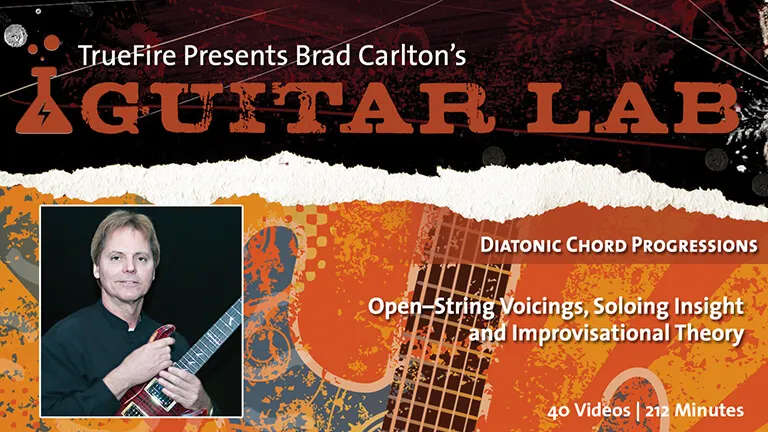
Guitar Lab: Diatonic Chord Progressions

Open-string voicings, soloing, insight and improvisational theory

Marty FriedmanTommy EmmanuelSteve VaiEric GalesEric Johnson

Get this course and 1,000+ more with All Access

Try 14 days free. Cancel any time.

Purchase Individual Course for $5.00
Guitar Lab: Diatonic Chord Progressions

About this course

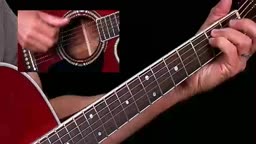
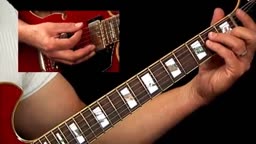
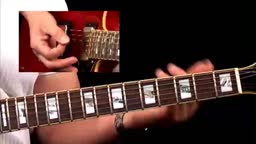
This intensive Guitar Lab examination of Diatonic Chord Progressions from Brad Carlton is presented in three sections and applies the voicings from Open String Universe to a wide variety of commonly found diatonic chord progressions.

The first section covers a range of two-chord vamps derived from major scale diatonic harmony. These bichordal progressions form the building blocks of many tunes in a very wide variety of styles. By viewing each vamp utilizing the number system, you'll be able to catalog each progression by its sound thus increasing your skills in harmonic analysis. Since each vamp is diatonic, you'll easily be able to solo over the vamp by using the parent major scale. The modes will change automatically with each chord change.

The first section of the course covers the following two-chord progressions:


I ii ii iii
I IV ii V
I V IV V
I vi V vi

The second section of the course covers diatonic chord progressions which involve three different chords. We'll be using voicings rooted off the sixth string derived from the open position E major and E minor forms. The first and second strings will be played open in each voicing thus extending the basic major or minor tonality. Many different combinations of the I, ii, iii, IV, V, and vi chords will be presented thus enhancing your ability to hear and analyze diatonic progressions.

The second section of the course covers the following three-chord progressions:

I ii iii vi V IV
IV V vi vi IV V
I IV V V vi IV
I V IV V IV vi
V IV I IV V vi
V I IV IV vi V
IV V I vi I V
IV I V vi V I
The third section of the course continues applying open string voicings over three-chord diatonic progressions utilizing chord voicings for the first eight lessons. In lessons nine through sixteen, Brad will cover four-chord progressions as well.

The third section of the course covers the following three- and four-chord progressions:

ii IV I I vi IV V
ii IV V I vi ii V
ii V IV I V vi IV
iii IV I V iii IV I
iii V I I iii vi V
iii vi I I iii IV V
vi ii I iii IV vi V
ii vi V I IV vi V

Whether or not you decide to skim through the material or dig deep into the harmonic analysis and application of open string voicings over diatonic chord progressions, you will find this study program to be extremely ear- and eye-opening with enough solid instruction and insight to very favorably impact your overall theoretical understanding and sound shaping skills.

What you'll learn

  • Apply chord extensions appropriately to create richer harmonies
  • Use the major scale as a foundation for soloing over the progression
  • Use sophisticated jazz voicings for each chord
  • Customize chord voicings by omitting unwanted tones
  • Understand when to use different register voicings
Release date: 07/03/2008 • 3h 22m runtime
Start Course
Sample lessons
I IV Progressions
I IV Progressions
ii iii Progressions
ii iii Progressions
I ii iii IV V vi
I ii iii IV V vi
ii V I
ii V I

What's included

41 lessons • 3 charts

Diatonic Chord Progressions
This collection of lessons applies the voicings presented in Open String Universe Part One to various two chord vamps derived from major scale diatonic harmony. These bichordal progressions form the building blocks of many tunes in a wide variety of styles. By viewing each vamp through the number system, you will be able to catalog each progression by its sound thus increasing your skills in harmonic analysis. Since each vamp is diatonic, you will be able to solo using the parent major scale. The modes will change automatically with each chord change.

Your part will be to create your own jam tracks using the voicings presented, and then solo over the changes.
Chord Inventory
This lesson presents the chord inventory from which we will build diatonic two chord vamps. There are eight voicings derived from the open E chord. They are: E, FMaj7#11, F#7add4, G6, A add9, B add4, CMaj7, and D 6/9. There are also seven minor family voicings derived from the open Em chord. They are: Em, F#m 7/11, G#m add b6, Am add9, Bm add 4, C#m7, and Dm 6/9. All voicings are presented in diagram form along with their respective scales for soloing.
Study the theory as it applies to each voicing and scale option by memorizing the formulas and chord forms.
I ii Progressions
There are six vamps available from our chord inventory that will function as a I ii progression.

The first vamp is E to F#m 7/11. This is a I ii in the key of E.
The second vamp is G6 to Am add9, A I ii in G major.
The third vamp is A add9 to Bm add4, A I ii in A major.
The fourth vamp is B add4 to C#m7, A I ii in B major.
The fifth vamp is CMaj7 to Dm 6/9, A I ii in C major.
The sixth vamp is D 6/9 to Em, A I ii in D major.
Each of these vamps can be played four different ways: I ii, ii I, I ii/I, and ii I/II.
I IV Progressions
There are six vamps available from our chord inventory that will function as a I IV progression.

The first vamp is E to A add9, a I IV in the key of E major.
The second vamp is G6 to CMaj7, a I IV in G major.
The third vamp is A add9 to D 6/9, a I IV in A major.
The fourth vamp is B add4 to E, a I IV in B major.
The fifth vamp is CMaj7 to FMaj#11, a I IV in C major.
The sixth vamp is D 6/9 to G6, a I IV in D major.
Each of these vamps can be played four different ways: I IV, IV I, I IV/I, and IV I/IV.
I V Progressions
There are six vamps available from our chord inventory that will function as a I V progression.

The first vamp is E to B add4, a I V in E major.
The second vamp is CMaj7 to G6, a I V in C major.
The third vamp is A add9 to E, a I V in A major.
The fourth vamp is G6 to D 6/9, a I V in G major.
The fifth vamp is B add4 to F#7 add4, a I V in B major.
The sixth vamp is D 6/9 to A add9, a I V in D major.
Each of these vamps can be played four different ways: I V, V I, I V/I, and V I/V.
I vi Progressions
There are six vamps available from our chord inventory that will function as a I vi progression.

The first vamp is E to C#M7, a I vi in E major.
The second vamp is G6 to Em, a I vi in G major.
The third vamp is A add9 to F#m 7/11, a I vi in A major.
The fourth vamp is B add4 to G#m add b6, a I vi in B major.
The fifth vamp is CMaj7 to Am add9, a I vi in C major.
The sixth vamp is D 6/9 to Bm add4, a I vi in D major.
Each of these vamps can be played four different ways: I vi, vi I, I vi/I, and vi vi/I.
ii iii Progressions
There are five vamps available from our chord inventory that will function as a ii iii progression.

The first vamp is Em to F#m 7/11, a ii iii in D major.
The second vamp is F#m 7/11 to G#m add b6, a ii iii in E major.
The third vamp is Am add9 to Bm add4, a ii iii in G major.
The fourth vamp is Bm add4 to C#m7, a ii iii in A major.
The fifth vamp is Dm 6/9 to Em, a ii iii in C major.

+ 34 more lessons

Start Course

Reviews

3 results

Yonathan M.

10/20/21

Thank you dear Brad! very helpful. Great stuff. I have been teaching Anthropology and Data Science (yes, both subjects - my PhD is in Anthropology - Harvard U 1992 and my Professorship is in Information systems) SO I have over 30 years of teaching experience. In other words - I can appreciate great teachers when I see them :) I must tell you dear Brad that you do a great job - I am almost addicted to the clarity and efficiency of your classes. No superficial riffs - but wise teachings of deep principles! Thank you.

Kimball

01/30/19

Jackpot!

Several years ago, I was dissatisfied with playing only barre chord forms when moving up the neck. By messing around I came up with several fingerlings that made use of open strings. This course expands on my exploration of this by orders of magnitude, bringing minor chords and myriad tonal options into play. I will be mining this vein for a long time.

mattstutts2

10/16/18

Here's some basic chord theory for you

Are you a bit lost when a friend calls out a iii-vi-I in E? This course consists of a whole lot of examples of 2, 3, and 4 chord progressions covering the basics. I don't think it's really intended for you to work through lesson-by-lesson. Instead, if you really aren't sure what a numbering system means, this will help you a lot if you take the time to work through some examples. Brad will jump around and show examples using different keys for each example, which is helpful. I may be completely mistaken but I'm not sure anything is overtly shown as minor progressions, though Brad does in fact take 'major' progressions and explain how they could be viewed differently if you think about (say, the starting chord being the IV instead of the I). Confusing? Well, it doesn't have to be. It's all about understanding the interval relationships and knowing what's a vi chord and what's a VI chord. Start here with two chord progressions and go from there.

Stop searching. Start improving with All Access.

Try 14 days free. Cancel any time.