
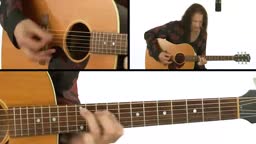
SongCraft: Purple House

Interactive Video Masterclass on the Craft of Songwriting

Marty FriedmanTommy EmmanuelSteve VaiEric GalesEric Johnson

Get this course and 1,000+ more with All Access

Try 14 days free. Cancel any time.

Purchase Individual Course for $14.99
SongCraft: Purple House

About this course

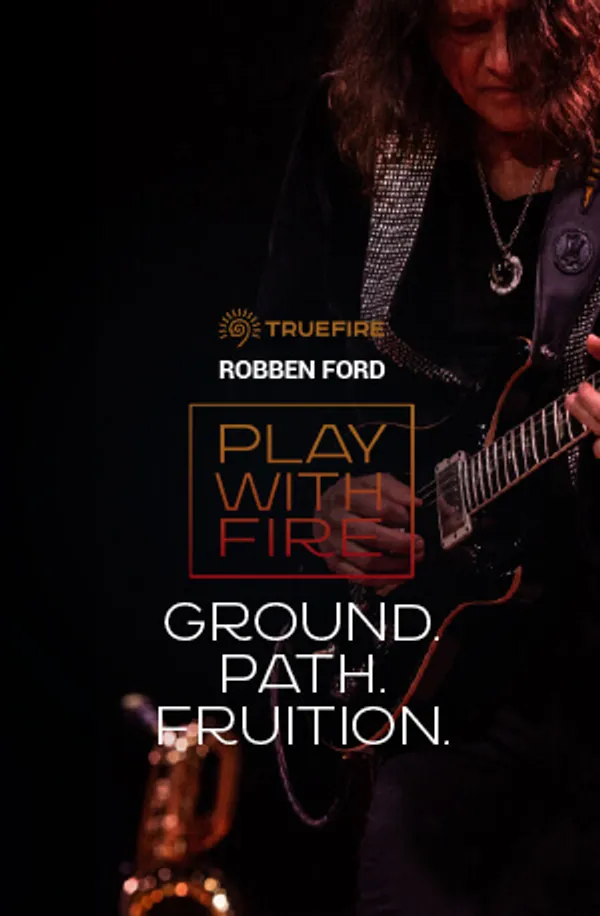
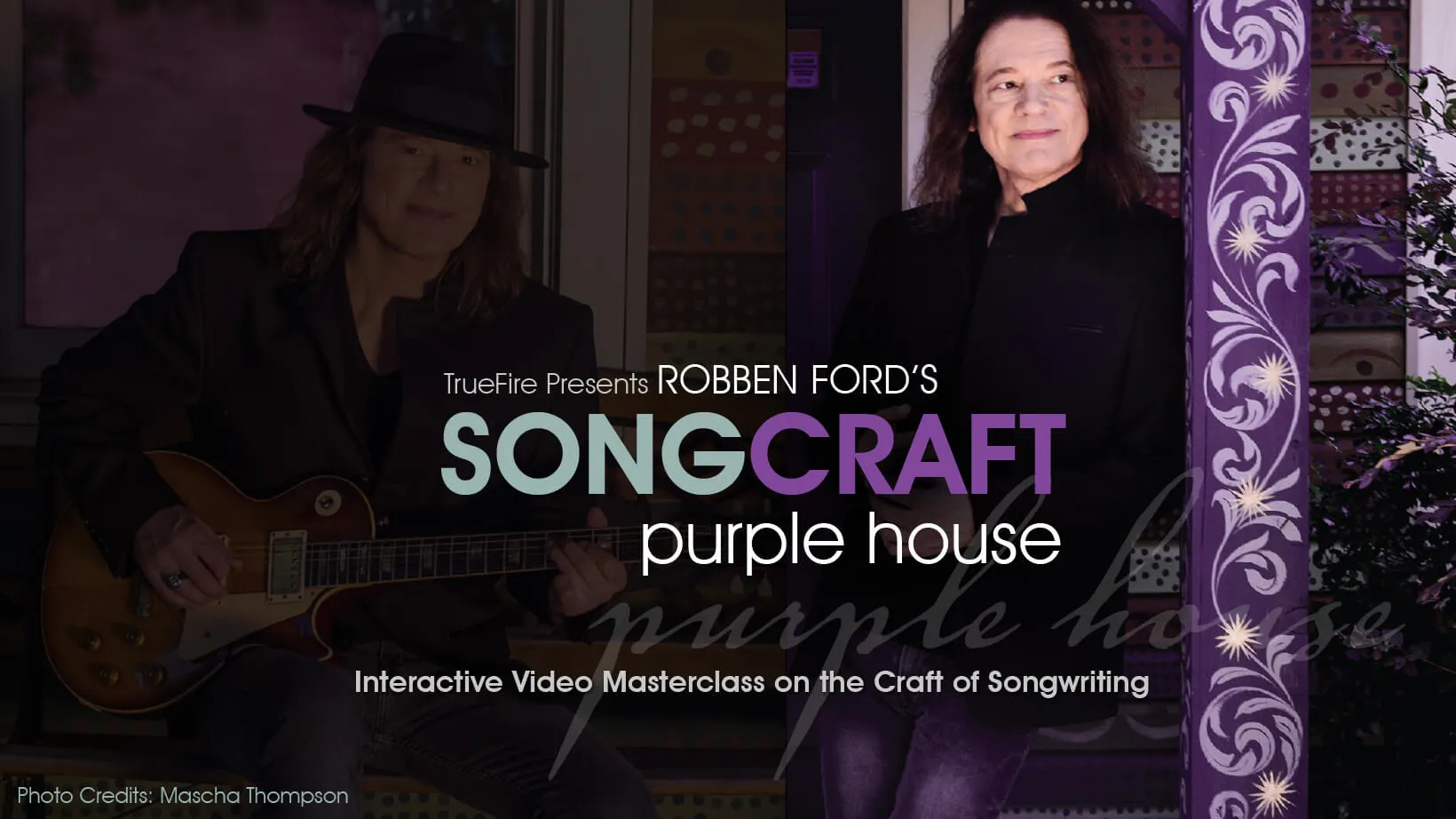
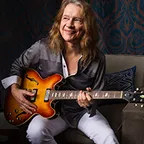
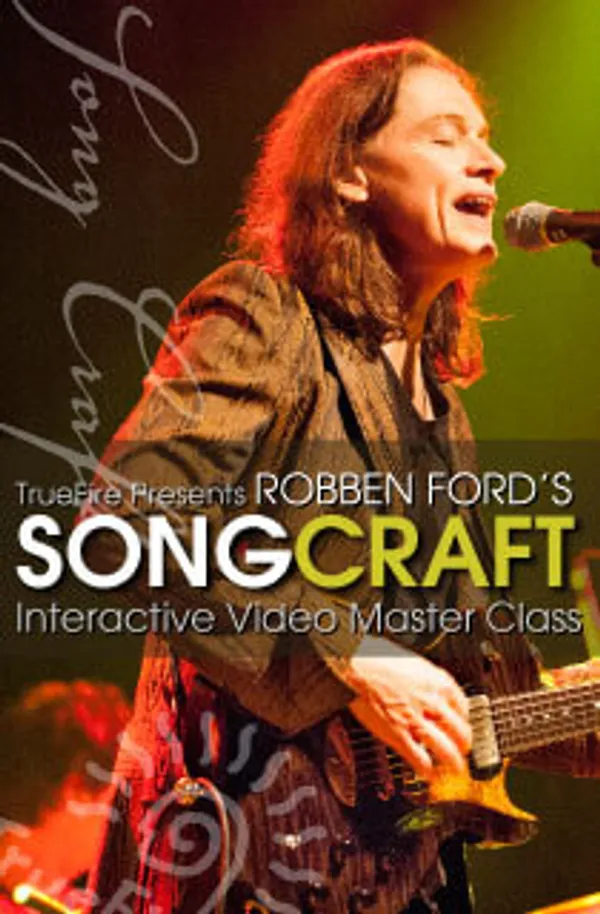
In Robben Ford’s Purple House edition of SongCraft, Robben will guide you through his ‘songcraft’ for six of the songs from his Purple House record. For each song, you'll first listen to the finished studio recording and then work through various aspects of his creative process.

”Paul McCartney said that even if a writing session didn't have a good result, it was still good songwriting practice. And that's how a craft is learned, through practice and perseverance. Everyone needs to find their own way of honing their songwriting. Personally, I studied other songwriters from many different styles and picked up a little something from each of them. I hope to pass some of that along to you, as well as my own take on the subject of songwriting, to help you find your own way.”

First, Robben will discuss the genesis of each song and the inspirations that came out of that to proceed with the writing. Even if a song begins instrumentally, the lyric becomes the primary focus. Robben will present some of the devices that he uses to work with words.

“Feel and groove are essential ingredients of a good song. We'll discuss that in-depth. Most of my music is developed for a full band and my songs don't seem complete until fully recorded with guitar, bass, and drums. The guitar parts that I develop are crafted to enhance the purpose of the song.”

Robben will explain and demonstrate all of the key concepts and approaches along the way. You’ll get standard notation and tabs for all of the performance studies. Plus, you’ll be able to use TrueFire’s learning tools to sync the tab and notation to the video lesson. You can also loop or slow down the videos so that you can work with the lessons at your own pace. All of the backing tracks are included to work with on your own as well.

Ready to get started? Let work on our 'songcraft' with Robben Ford!

What you'll learn

  • Discover methods for developing lyrics as primary focus
  • Learn the complete arrangement of 'Wild Honey'
  • Learn to create independent rhythm feel without bass/drums
  • Understand how to build a song around acoustic guitar and click track
  • Learn how to analyze songs from genesis through final recording
Release date: 01/22/2020 • 4h 08m runtime
Start Course
Sample lessons
Bound for Glory
Bound for Glory
Overview
Lyrics & Conception
Lyrics & Conception
Bound for Glory: Demo
The Tempo & Feel
The Tempo & Feel
Bound for Glory: Demo
Chord Progressions & Voicings
Bound for Glory: Demo

What's included

32 lessons • 24 charts • 6 Jam Tracks

SongCraft: Purple House
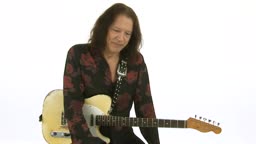
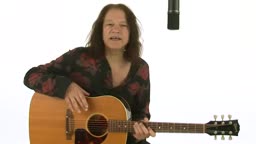
Hi, I'm Robben Ford. Welcome to the Purple House Edition of SongCraft!

Paul McCartney said that even if a writing session didn't have a good result, it was still good songwriting practice. And that's how a craft is learned, through practice and perseverance. Everyone needs to find their own way of honing their songwriting. Personally, I studied other songwriters from many different styles and picked up a little something from each of them. I hope to pass some of that along to you, as well as my own take on the subject of songwriting, to help you find your own way.

In this course, we'll analyze six songs from my Purple House record. For each song, we'll first listen to the finished studio recording and then work through various aspects of my creative process.

First, we'll discuss the genesis of each song and the inspirations that came out of that to proceed with the writing.

Even if a song begins instrumentally, the lyric becomes the primary focus. and I'll present some devices I use to work with words. Feel and groove are essential ingredients of a good song. We'll discuss that in-depth.

Most of my music is developed for a full band and my songs don't seem complete until fully recorded with guitar, bass, and drums. The guitar parts that I develop are crafted to enhance the purpose of the song.

All of the key examples and performances are tabbed and notated and you'll be able to sync the tab and notation to the video using TrueFire's learning tools. All of the backing tracks are included and you can loop or slow down any of the videos so you can work with the lessons at your own pace.

Ready to get started? Let's go!
Willing to Wait
The first song we're going to present to you is called "Willing to Wait". It's important to note that the guitars are tuned down a half-step, so keep that in mind. This song's kinda out there - and intentionally so. A lot of imagery in this song, also very much so featuring the acoustic guitar (as is a theme on the album).

First we'll play the song for you, and then we'll break down the lyrics and show you how to play the actual performance as well.
Lyrics & Conception
Let's start things off by looking at the lyrics to "Willing to Wait", and break down some of the decisions I made when writing it. We'll check out the chords and rhythmic structure and how the words fall into it.

This song in particular has lots of imagery in it, it being more poetic than I've allowed myself to be in the past. Purple House in general is like this - not letting myself get caught up on what’s cliché and instead embracing it to be my own.

As is often the case, I wrote this song sitting on my couch with an acoustic. I played the first two chords and the words “willing to wait” sat in there perfectly. That became my goal with the rest of the song, making sure the words just flowed as they came out.

Once you've got a good understanding of this part of the process, let’s move on to how I found the right tempo & feel for the song in the next video.
The Tempo & Feel
I had maybe come up with the title of "Willing to Wait" beforehand, but immediately I knew the tempo and feel had to reflect the cadence of it. To get the whole impact of the word, I had to slow down the tempo - you have to present the lyric in a way that’s clear.

I actually learned this from my wife, who was a Broadway trained actress and helped form my relationship with that kind of music. I have a tremendous amount of respect for the Broadway writers; they cared about everything, and taught me to do the same.

So, I've got this fundamental groove going and I really like the space between the lines. When we get to the second part of the song, we're going to use all the space we've created in our favor and double-time what we're playing. It gives the whole thing a lift.

In general, as soon as I start to get bored with a song, I change it up. Robert Johnson would speed things up in the second and third verses to keep the music lively. You have to use rhythm to draw the listener in and keep things interesting.

Now that we've got those parts going for us, we've got to find the right chord choices for the song. Let’s take a look at that in the next segment.
Chord Voicings & Harmony
Chord voicings are extremely important to me in songwriting. I would say that it’s 50% of what gives the song it’s character, with the other half being the lyrics. I'm always looking for open sounding chords, especially when you're writing something rock or pop oriented. If I can sneak something like that in, I'm really happy.

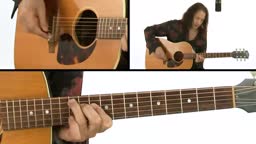
Good news for me, there’s lots of open sounding chords to be had here. Something about the space of the song, and hearing the ringing guitar strings made me want to keep it going. Here I'll show you all the chords I picked for each section of the song. When you've got that together, it’s time to show you how it’s done on the electric in the next video.
Electric Orchestration
"Willing to Wait" was written on the acoustic guitar, and throughout the record that was an important thing for me. I wanted them to have a singer/songwriter approach, as opposed to the electric R&B thing that I've done far more of the course of my career.

The song was kept simple on purpose - just acoustic, bass, drums and vocal - only using the electric to fill out the acoustic part when it needed to rock out a little more. We'd do things like doubling the acoustic/bass parts, as I'll demonstrate here, to accomplish that.
Empty Handed
This next song is called "Empty Handed". The focus here was on the acoustic guitar, being the fundamental vibe yet again. I have to warn you, it's actually tuned down about a quarter tone. You might have to do this one by ear or with a little help with your tuner - it's between A and Ab.

The guitar part I ended up playing on the record was just low riffing. The guitar is there to serve a purpose and create a vibe, and this is where it fit in. It's not about playing, it's more about a color!

+ 25 more lessons

Start Course

Reviews

4 results

Osokin

Verified buyer

04/30/21

Learn How The Master Applies His Craft!

In this brilliant course Robben Ford provides priceless insight into his song writing and arranging processes - focusing on six tunes from his wonderful Purple House album. If you are a guitar playing singer/songwriter, this course is really going to inspire - but fans of Robben Ford will simply enjoy gaining a deeper insight into how the master applies his craft. Great stuff!
Reece

Verified buyer

01/21/21

SongCraft: Purple House

Another great course from Robben Ford!

saulinho

Verified buyer

03/26/20

Always Inspiring!!

A unique album, as much in sounds as in composition style, Purple House´s concept and ideas are open, revealed and shared in the first person...a must not only for professional musicians but for every music enthusiast.

Netslave

01/29/20

The Golden Road (To Unlimited Devotion)

Fab course - Robben keeps bringing it to us! "So take off your shoes, child, and take off your hat. Try on your wings and find our where it's at" "The Golden Road (To Unlimited Devotion)"

Stop searching. Start improving with All Access.

Try 14 days free. Cancel any time.