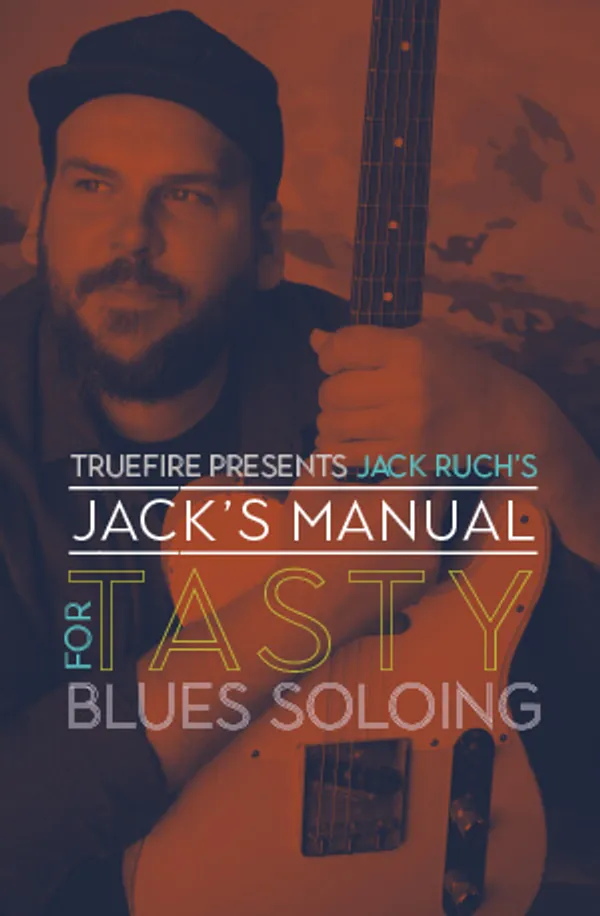
Every guitar player dreams of learning to play the blues. It's not just about the scales and solos, but also about the raw, heartfelt chord progressions that underline every great blues tune. The beautiful thing about blues guitar is that, contrary to what you might think, you don't need a repertoire of hundreds of chords to play thousands of songs. In fact, with just these ten chords, you can unlock the potential to play virtually the entire blues songbook.
Root 6, 7th Chord (E7 for instance): This is a dominant 7th chord rooted on the 6th string. Its open, rich sound is a cornerstone of the blues genre. Songs like "Sweet Little Angel" by B.B. King are centered around this chord.
Root 6, 7th (variation) Chord (E7#9 for example): Also known as the Hendrix chord, this 7th chord variation adds a sharp 9th for a distinct, dissonant blues-rock sound. Jimi Hendrix’s "Purple Haze" uses this chord extensively.
Root 5, 9th Chord (C9 for instance): This is a dominant 9th chord rooted on the 5th string. It's often used in turnarounds, those repeating chord progressions at the end of a blues progression. "Rock Me Baby" by B.B. King prominently features this chord.
Root 5, 7th Chord (D7 for example): These chords add a jazzy flavor to blues progressions. Muddy Waters’ "Hoochie Coochie Man" uses this chord, which brings a deep bluesy feel.
13th Chord (G13, for instance): These jazzier blues chords are used for color and tension, often found in more complex blues progressions. Freddie King's "Hide Away" features this chord.
Root 5, 9th (variation) Chord (C9#5, for example): This altered dominant chord can add color and dissonance to your blues progressions, often used in jazz-blues. This can be heard in "Chitlins Con Carne" by Kenny Burrell.
Root 5, Dominant 7th Chord (C7, for instance): This is the bread and butter of the blues. It gives us that classic, undeniable blues sound. "T-Bone Shuffle" by T-Bone Walker features this dominant 7th chord.
Root 5, minor 7th Chord (Dm7 for example): These minor chords often provide the melancholic sound associated with the blues. "The Thrill is Gone" by B.B. King is a quintessential example.
Root 6, minor 7th Chord (Em7, for instance):This chord, rooted on the 6th string, often plays a part in minor blues progressions. Eric Clapton’s "Old Love" features this chord prominently.
Root 5, minor 9th Chord (Cm9 for example): These chords are more common in jazz-blues progressions, offering a sultry, complex sound. "Ain’t Nobody's Business" by Freddie King uses this chord beautifully.
These ten chords form the basis of many common blues progressions, such as the 12-bar blues (I7-IV7-V7), the 8-bar blues (I7-IV7-I7-V7), and the 16-bar blues (I7-IV7-IVm7-V7). There's a whole world of music that opens up when you learn these basic chord shapes.
Remember, the beauty of the blues lies not only in the notes you play, but also in how you play them. Your attitude, feeling, and expressiveness will make these chords come alive. After all, it's not the number of chords you know, but what you do with them that truly counts.
You’ll have all of TrueFire’s advanced learning tools at your finger tips to personalize your workspace and learn at your own pace.
You can loop, slow down, or speed up any section of a lesson. Plus, all of the tab and notation is synced to the videos for the optimal learning experience. You’ll also get tab and standard notation files to print out, Guitar Pro files, and all of the backing tracks to practice with.
Grab your guitar and lets play the blues!
What you'll learn
Learn 10 essential movable blues chord shapes
Recognize the tonal difference between standard and extended 7th chord voicings
Build foundational blues chord vocabulary
Gain ability to play many blues songs
Develop skills to participate in blues jam sessions