NYC Rhythm & Blues

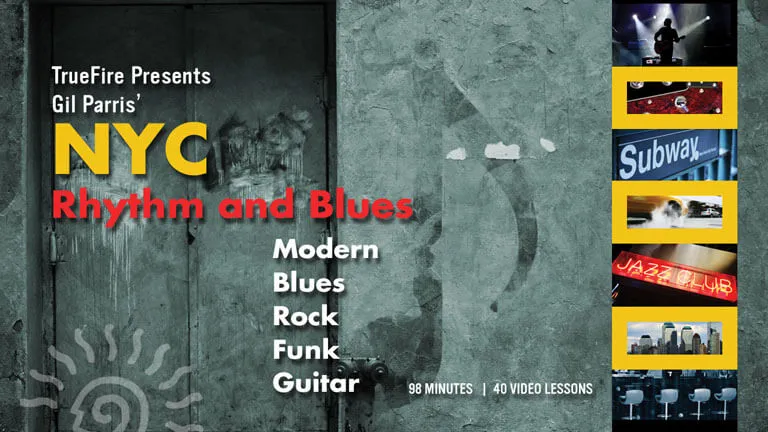
NYC Rhythm & Blues focuses on comping, soloing and developing improvisation skills

Marty FriedmanTommy EmmanuelSteve VaiEric GalesEric Johnson

Get this course and 1,000+ more with All Access

Try 14 days free. Cancel any time.

Purchase Individual Course for $5.00
NYC Rhythm & Blues

About this course

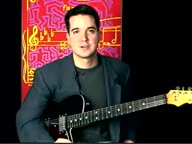
NYC Rhythm & Blues examines the modern school of rhythm and blues spawned by a new breed of young players out of New York, Boston and points in between. An eclectic mixture of blues, rock, jazz, funk and even twang, this new style is electrifying the club scene across the northeast circuit. Hailed by Guitar magazine as "the brightest new star in the genre since Larry Carlton," Gil Parris is credited with pioneering the style and now leads the scene with unquestionable authority.

One of the top session and sidemen in the biz, Gil's stint as lead guitarist for Blood, Sweat & Tears along with dozens of sessions with the likes of Dr. John, Chuck Rainey, Will Lee, Bakhiti Kumalo, Dave Sanborn, Bob James and countless others clearly qualify Parris as the real deal.

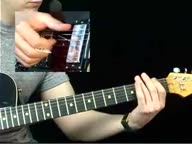
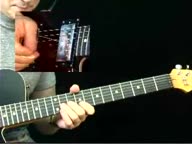
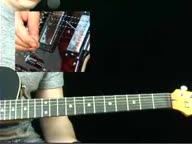
Extracted from Gil Parris: Inside Out, this DATA-DVD edition of NYC Rhythm & Blues focuses on comping, soloing and developing improvisation skills. Gil shares a variety of funk, blues, rock and twang moves that will absolutely drop the jaws of your own audience and band mates. You'll also learn triple/double stops, bends, pedal steel licks, picking techniques, chord runs and right-hand rhythm techniques that will seriously overhaul your technique and sound.

Several live performance videos are also included; the first version for your viewing and listening pleasure, the second version with Gil's commentary, which guides you through the performance outlining his approach to comping, improvisation and solo development and illustrating how guitarists should musically interact within a live band or jam setting.

What you'll learn

  • Play the Duck Walk melody with proper tremolo and chord voicings
  • Master fingerstyle techniques for expressive blues soloing
  • Combine fingerstyle and pick techniques within a solo
  • Learn to construct solos using motif development and response phrases
  • Develop rhythmic control by playing behind and pushing the beat
Release date: 12/16/2006 • 2h 00m runtime
Start Course
Sample lessons
Duck Walk
Duck Walk
Performance
Duck Walk
Duck Walk
Melody
Solo Breakdowns
Solo Breakdowns
Part 3
Duck Walk
Duck Walk
Rhythm

What's included

40 lessons • 16 charts • 2 Jam Tracks

NYC: Rhythm & Blues
This tune was the first song of the evening played with sax player Baron Raymonde's band. The tune is essentially a funky, slow minor blues with an interesting turnaround. I'll talk a bit about rhythm guitar textures, wah playing, doubling the melody, and some essential voicings. Gil plays a Reverend Charger HB guitar in all of his lessons. Here's specs and contact info: Although the obvious choice for thick rock tones, this is no one-trick pony. The bridge pickup is slightly hotter than a vintage PAF, and the neck pickup slightly cleaner. Easily covers clean to mean. The solid wood top (not veneer or plywood) and basswood body with strategically placed tone chambers guarantee a resonant, light, and lively instrument that responds to the player's touch. Features: - Designed by Joe Naylor
- Strung and set-up in the USA, built in Korea
- Solid spruce top, chambered mahogany body
- Reverend humbuckers (exact same pickups used in the award winning USA models)
- Wilkinson EZ-Lock tuners
- 25.5" scale bolt-on maple neck
- Rosewood fingerboard with 12" radius 22 frets
- Dual-action truss rod
- Graphite nut
- 3-Way pickup selector
- Custom volume control retains treble when rolled back
- Custom tone control cuts highs without killing volume
- Bass Contour control rolls off bass and re-voices pickups
- Available in Midnight Black, Metallic Red, or Flame Maple For more information, visit www.reverendguitars.com
C Smooth
This tune was the first song of the evening played with sax player Baron Raymonde's band. The tune is essentially a funky, slow minor blues with an interesting turnaround. I'll talk a bit about rhythm guitar textures, wah playing, doubling the melody, and some essential voicings. Gil plays a Reverend Charger HB guitar in all of his lessons. Here's specs and contact info: Although the obvious choice for thick rock tones, this is no one-trick pony. The bridge pickup is slightly hotter than a vintage PAF, and the neck pickup slightly cleaner. Easily covers clean to mean. The solid wood top (not veneer or plywood) and basswood body with strategically placed tone chambers guarantee a resonant, light, and lively instrument that responds to the player's touch. Features: - Designed by Joe Naylor
- Strung and set-up in the USA, built in Korea
- Solid spruce top, chambered mahogany body
- Reverend humbuckers (exact same pickups used in the award winning USA models)
- Wilkinson EZ-Lock tuners
- 25.5" scale bolt-on maple neck
- Rosewood fingerboard with 12" radius 22 frets
- Dual-action truss rod
- Graphite nut
- 3-Way pickup selector
- Custom volume control retains treble when rolled back
- Custom tone control cuts highs without killing volume
- Bass Contour control rolls off bass and re-voices pickups
- Available in Midnight Black, Metallic Red, or Flame Maple For more information, visit www.reverendguitars.com
C Smooth
Here I'll dissect a phrase for you from the C Smooth solo. I start with a motif, I build on it a little bit and then I play something a little bit unusual to catch the listener's ear. A lot of my soloing deals with building on something I played previously. Check out how the first phrase starts an idea, the 2nd phrase builds on that idea and the third phrase is just a little more outside.
Phrase 1
Here I'll dissect a phrase for you from the C Smooth solo. I start with a motif, I build on it a little bit and then I play something a little bit unusual to catch the listener's ear. A lot of my soloing deals with building on something I played previously. Check out how the first phrase starts an idea, the 2nd phrase builds on that idea and the third phrase is just a little more outside.
Phrase 2
Moving on in the solo, I'm going to show you a way to harmonize the blues scale. Taking a constant structure shape and putting blues notes on the top. This is a cool sound that's non-guitaristic and is usually utilized by keyboard players. Pay careful attention because it's also all about playing in the pocket and listen to where I lay the phrase in with the band. Here I'm building into the rhythm part on C Smooth. I want to show you some spacial voicings that really open up your playing. Then I'll move on to some of the thirds fills I'm doing, the Ritenour/Graydon style. I'll take these thirds and sixths and put them through the Dorian mode so you can see all these great usable shapes.
Rhythm 1
Moving on in the solo, I'm going to show you a way to harmonize the blues scale. Taking a constant structure shape and putting blues notes on the top. This is a cool sound that's non-guitaristic and is usually utilized by keyboard players. Pay careful attention because it's also all about playing in the pocket and listen to where I lay the phrase in with the band. Here I'm building into the rhythm part on C Smooth. I want to show you some spacial voicings that really open up your playing. Then I'll move on to some of the thirds fills I'm doing, the Ritenour/Graydon style. I'll take these thirds and sixths and put them through the Dorian mode so you can see all these great usable shapes.
Rhythm 2
This is a personal fingerstyle rhythm pattern that I really like to use based on thirds. From there, behind the sax solo I might bring in some wah work. Here I'm going to break it down with triads and double stops. Pay close attention to the consistency of my right hand rhythm. Cantalope 1 This next tune is a funky sixteen-bar blues that I originally heard Grant Green playing. The unusual form makes for some good improvisation. I've heard some very good players get lost on this tune because they're so used to hearing a twelve-bar blues. Pay careful attention to where you are in the form. I'm going to show you some extended chromatic lines, as well as some inside cliche lines that I use to strike a good balance between tension and release.

+ 33 more lessons

Start Course

Reviews

5 results

Sindibad

Verified buyer

05/24/25

Gil Parris' NYC Rhythm & Blues

Good modern music lesson for inspiration.
babashem

Verified buyer

04/12/21

can't wait to dive in

I usually watch the whole video first. I thought the instructor was engaging. I like the live band examples

allenhaeger

Verified buyer

10/07/20

Unique Style

Learned some cool out of the box licks

morningfield

Verified buyer

10/03/20

Thanks!!

Thomas R.

12/12/19

Gil is Great!

Love his playing.

Stop searching. Start improving with All Access.

Try 14 days free. Cancel any time.