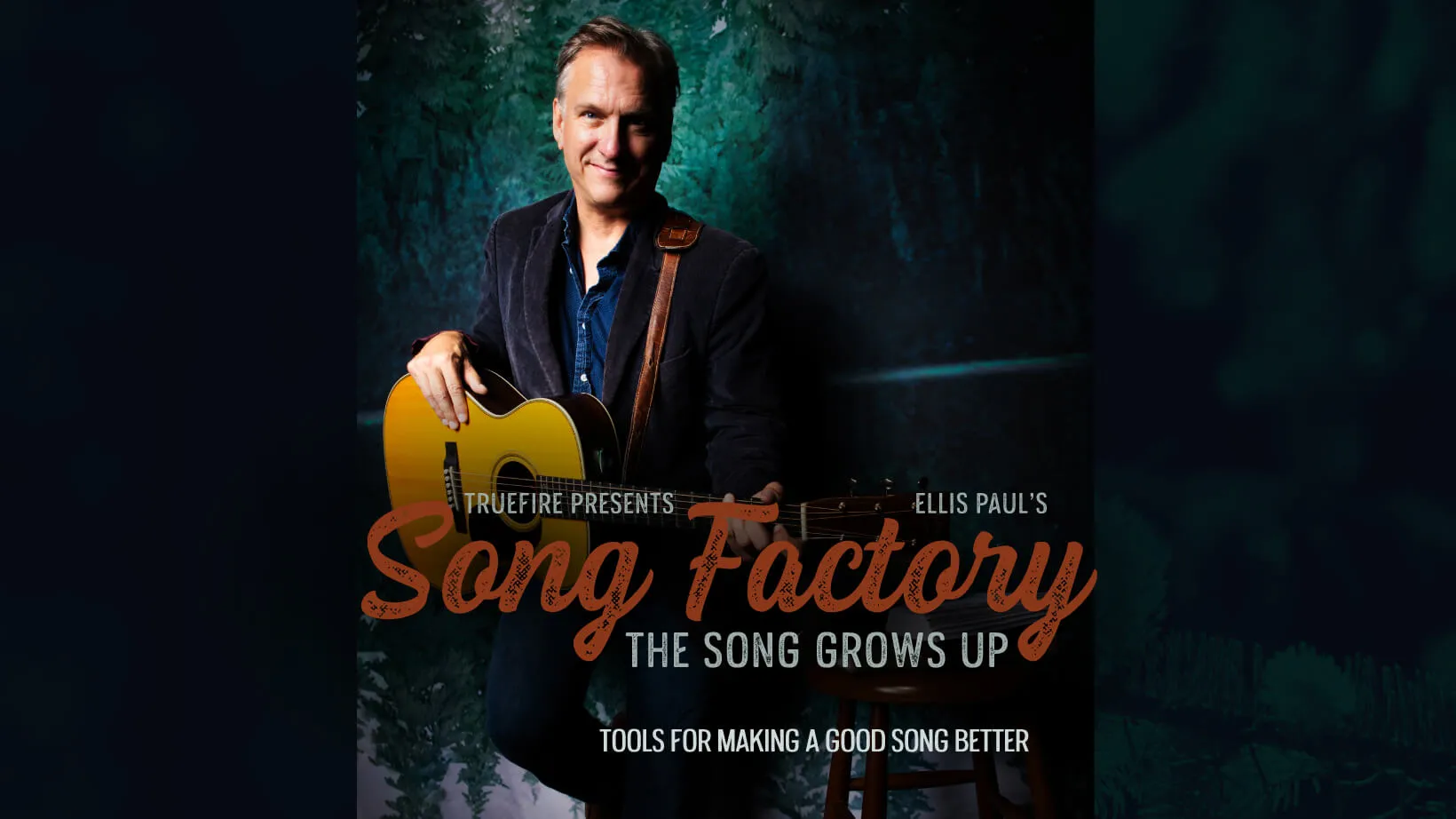

Song Factory: The Song Grows Up

Tips & Tools for Making a Good Song Better

Marty FriedmanTommy EmmanuelSteve VaiEric GalesEric Johnson

Get this course and 1,000+ more with All Access

Try 14 days free. Cancel any time.

Purchase Individual Course for $9.99
Song Factory: The Song Grows Up

About this course

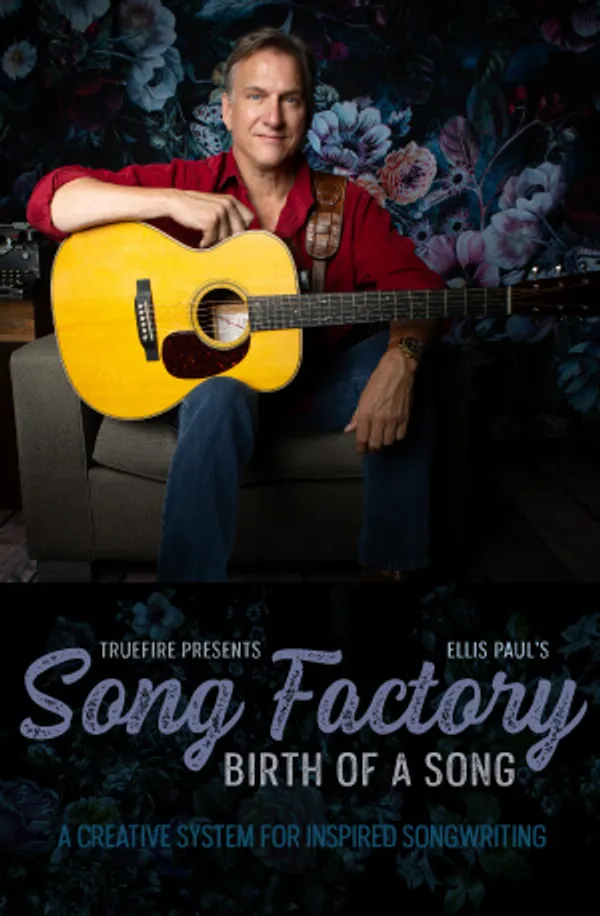
The Song Grows Up from Ellis Paul, the second edition of his Song Factory series, is where your song crafting skills and perspiration take over from the inspiration and passion that brought your song idea to life (see Ellis’ Birth of a Song edition).

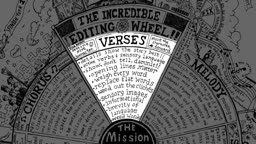
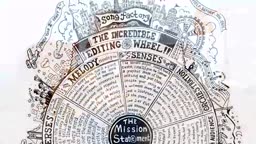
Many songwriters believe that the true art of songwriting doesn't emerge until the editing process begins, and it's here in this edition that Ellis passes on the insight, process, and his highly acclaimed “Editing Wheel” toolset for editing and refining your work to produce a finished song suitable for performance and recording.

Ellis Paul has written over a thousand songs and has co-written with a who’s who list of major artists. Also a passionate educator, Ellis has mentored hundreds of songwriters over the years and his teaching materials and toolkits on Performance, Song Creation, and Song Editing are referenced daily in the writing rooms of thousands of accomplished songwriters all over the globe. 

In the first section of The Song Grows Up, Ellis presents his Editing Wheel toolset: The Mission Statement: The Why, The What & The Who, Your Verses: The Story Begins, The Melody: The Staircase, The Senses: Witness the Song, Orchestration: Tension & Release, Narrator & Audience: Are You Talking to Me?, Believability: Speak Your Truth, The Bridge: Fresh View, The Chorus: The Emotional Lift

”We’ll be working with a toolset I call "The Incredible Editing Wheel,” which essentially is a process for refining your song's Mission Statement: the who, what and why of the song. Once you understand what the song is saying, who the audience is, and what you want it to do in the world, you'll have a better time recognizing where it falls flat in meeting those goals.

The Editing Wheel visualizes the process by breaking the song into its various parts - the verse, chorus, melody, orchestration, narrator, the senses, believability, and bridge - and asking, How does each part of the song support the mission statement? What is the tone, the subject, who is the narrator? How can each one of these sections be refined in a way that improves the mission of the song? How can the story be told better, sung more beautifully, more melodically, played with greater emotion?”


In the second section of the course, Ellis presents a series of lessons focused on the The Arc of the Song demonstrating how his own material was crafted using the editing wheel toolkit.

”In the Arc of a Song section, I’m going to show you three of my own songs; Battle of Charlottesville, The Innocence & the Afterlife, and Straight to the Moon. I’ll take you from the birth of the songs from the first draft, all the way to the final draft. All my journal entries and the MP3's of the work tapes will be included, so you can see the process of taking a song into the final stage.”

Ellis will explain and demonstrate all of the key concepts and approaches as you work through the course. In addition, you’ll be able to loop or slow down any of the videos so that you can work with the lessons at your own pace.

Grab your pen and guitar — let’s write songs with Ellis Paul!

What you'll learn

  • Use sustained notes strategically for emphasis
  • Create metaphorical and philosophical lyrics for choruses
  • Identify and create staircase melodies
  • Craft memorable melodic hooks
  • Distinguish between informational (verse) and emotional (chorus) content
Release date: 03/07/2019 • 1h 41m runtime
Start Course
Sample lessons
Rose Tattoo
Rose Tattoo
Full Song Performance
Your Verses
Your Verses
The Story Begins
Chorus
Chorus
The Emotional Lift
The Innocence & the Afterlife
The First Draft & Song Concept

What's included

24 lessons • 5 charts

Song Factory: The Song Grows Up
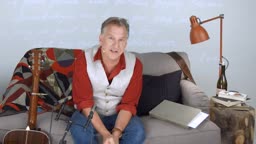
Hi, I'm Ellis Paul and welcome to the second edition of Song Factory: The Song Grows Up.

This is where craft and perspiration take over from where inspiration and passion brought your song idea to life. Many writers believe that their true art doesn't emerge until the editing process begins, and in this course, I'm going to give you a tool and insights on how to make a good song better.

The tool is called "The Incredible Editing Wheel" and will give you a way to refine your song's Mission Statement: the who, what and why of the song. Once you understand what the song is saying, who it's audience is, and what you want it to do in the world, you'll have a better time recognizing where it falls flat in meeting those goals. The Editing Wheel visualizes the process by breaking the song into its various parts - the verse, chorus, melody, orchestration, narrator, the senses, believability, and bridge - and asking, "How does each part of the song support the mission statement?"

In the second section of the course, called The Arc of the Song, I'm going to show you how my own material has benefitted from being put through this editing wheel. I'm going to show you three songs, taking you from the birth of the song in the first draft, all the way into the final draft.

All my journal entries and the MP3's of the work tapes will be included, so you can see the process of taking a song into this final stage. All the performances are tabbed and notated, and you can loop and slow down the videos so you can work through the lessons at your own pace. So, grab a guitar and your writing journal and let's get started!
Birth of a Song Recap
Here we'll touch on elements of my first class, Song Factory: The Birth of a Song.

One lesson in this chapter that must be heard is that the writer gets better by writing. By working within the Editing Wheel, you'll become more mindful of your songs as you are writing them. The lessons are applied with deeper understanding with each new song you create. That's how you improve.
SECTION 1: The Editing Wheel
Here I'll give you an overview of the learning tool, "The Incredible Editing Wheel". The wheel, again, is a way to visualize editing and show you how to improve your songwriting. The purpose of the mission statement is defined, it's essentially an elevator pitch to the universe: What is the song about, who's it for, why is it important for someone to give you three minutes of their lives in listening to it? What is the tone, the subject, who is the narrator?

Then, each section of the wheel is briefly explained: the verses, the melody, the senses, the orchestration, the narrator and the audience, the believability, the bridge and the chorus. How can each one of these sections be refined in a way that improves the mission of the song? How can the story be told better, sung more beautifully, more melodically, played with greater emotion?
Rose Tattoo
In this chapter, I sing "Rose Tattoo" a song about a family struggling through economic hardship. Here are the lyrics:

Rose Tattoo by Ellis Paul

I got laid off, it's Monday
And I'm calling to tell you
It don't sit with me well
I feel like I failed you
You say, "We got each other
And that's plenty enough"
And I know that's true
But we've got one kid coming
And one still in diapers
It's a rainy drive home
With one good wiper
Leave the porch light on
I need a beacon
Just to pull me to you

(Chorus)

If I ever lost you
I would be lost too
Just drifting in a sea of blue
You're in my skin
Like a rose tattoo
Like a rose tattoo

Now, the economy's crashing
And this poor boy's laughing
Cause there's nothing to lose
We don't live in no mansion
There's no bling to put on
Only Walmart fashion will do
Inside the house the baby's screaming
And the pasta is steaming and
I look through the windows
It feels like I'm dreaming
You pull the door open and say
"Daddy, when you comin' home?"

(Bridge)
You say, "We'll fight for the best case scenario"
Then you put Van Morrison on the stereo
Sure there's trouble in the boardrooms
Trouble in the factories
Trouble in the alley out back
But we've got love in these patterns
Love is what matters
And baby, I've got your back
I've got your back
I've got your back
Hey, I've got your back
The Mission Statement
In this chapter, we look at the mission statement and how is it applied to the song "Rose Tattoo".
  • The What: A young family struggling under economic hardship.
  • The Who is: A man, the narrator, is in a discussion with his wife about losing his job. It's personal. It's the day he lost his job. The listener is a voyeur. Watching a private moment from the outside, overhearing their conversation.
  • The Why: This song is important because it's speaks universally, we all have periods of time when we are struggling and need to circle the wagons with our families. The song was written during the economic downturn in the 2000's, and I felt like I was telling everyone's story.
Your Verses
This chapter deals with the verses. Verses define the information of the song. Who's talking, who are they talking to, what are they talking about? It's also a moment being heard by a listener, how do the verses treat the listener? Depends on the song. Here, the listener is overhearing a private conversation between husband and wife. It increases the vulnerability of the moment. The verses paint imagery that the mind of the listener needs to interact with. Tap into your own life in order to paint that picture. Don't be afraid to access moments in your life that were hard, joyful, meaningful. Look for lines that lie flat. You want to paint a picture using active verbs that create an image in the listener's mind.
The Melody
This chapter looks at the melody section of the Incredible Editing Wheel. Very often a melody will follow the same kind of pitch cadence of a spoken conversation on the verses. But there is a shift in the chorus. The melody often becomes more definable. Here I'll show you how the melody of the chorus often shifts into longer notes, more sustain notes, more drama in its rises and falls, higher tones, more tension and releases.

The chorus of "Rose Tattoo" is vulnerable for the narrator, more emotional because of this shift. This supports the mission statement of the song. I want the melody to tell the same story the lyrics do. The chorus on "Rose Tattoo" tests the vulnerable part of my range. The melody is well defined here. Ask yourself in your songs whether or not the melody is definable, like a staircase melody. Especially on the chorus. Be aware of the notes you are singing. How can you make them fit the tone of the mission statement? Is the song angry or sad or a celebration? How does the melody reflect the elevator pitch of your song? Define the melody so it does.

Exercise
  1. Write down three songs from among your favorites that have a definable staircase melody.
  2. What do like about the melody? Why does it support the mission statement of the song?

+ 17 more lessons

Start Course

Reviews

4 results

anneloeswolters

Verified buyer

05/08/20

Good systematic approach to improvements

Very well thought through course. Buy both! The PDF's are all in the course to download including nice personal notes from notebook etc.


Alan B.

08/27/19

84 courses later and the first time I am disappointed

I live in Australia and have been a member of Truefire for around 20 years having purchased 84 courses. All of them good. However, this is the first time I have been disappointed. Ellis Paul's teaching methods and style are both great however, there is constant reference and emphasis put on the Songwriting Ideas Generator in The Birth Of a Song Course and again on the Songwriting Editing Wheel in this course. Neither are included as a PDF in the course and no reference is made that you have to go to another website to purchase those separately. This made both courses extremely difficult to follow. Would have been much better to include them as a PDF even if the cost of the course was higher. At least then both courses would be presented as complete courses. 3 stars

gargantuajr

Verified buyer

04/03/19

Do the work of writing

Well thought out as a instructional course, and much can be retrieved just by watching the video and reflecting on his writing concepts and tools. But, to get the most from the course, It demands the student to be disiplined enough to do the course work, and follow the writing assignments

johndenver

Verified buyer

03/20/19

song writing

This is a great course. I find it so much easier to write songs now. It is a great course, and I would recommend it to anyone who is interested in writing music. Great job!!!!

Stop searching. Start improving with All Access.

Try 14 days free. Cancel any time.