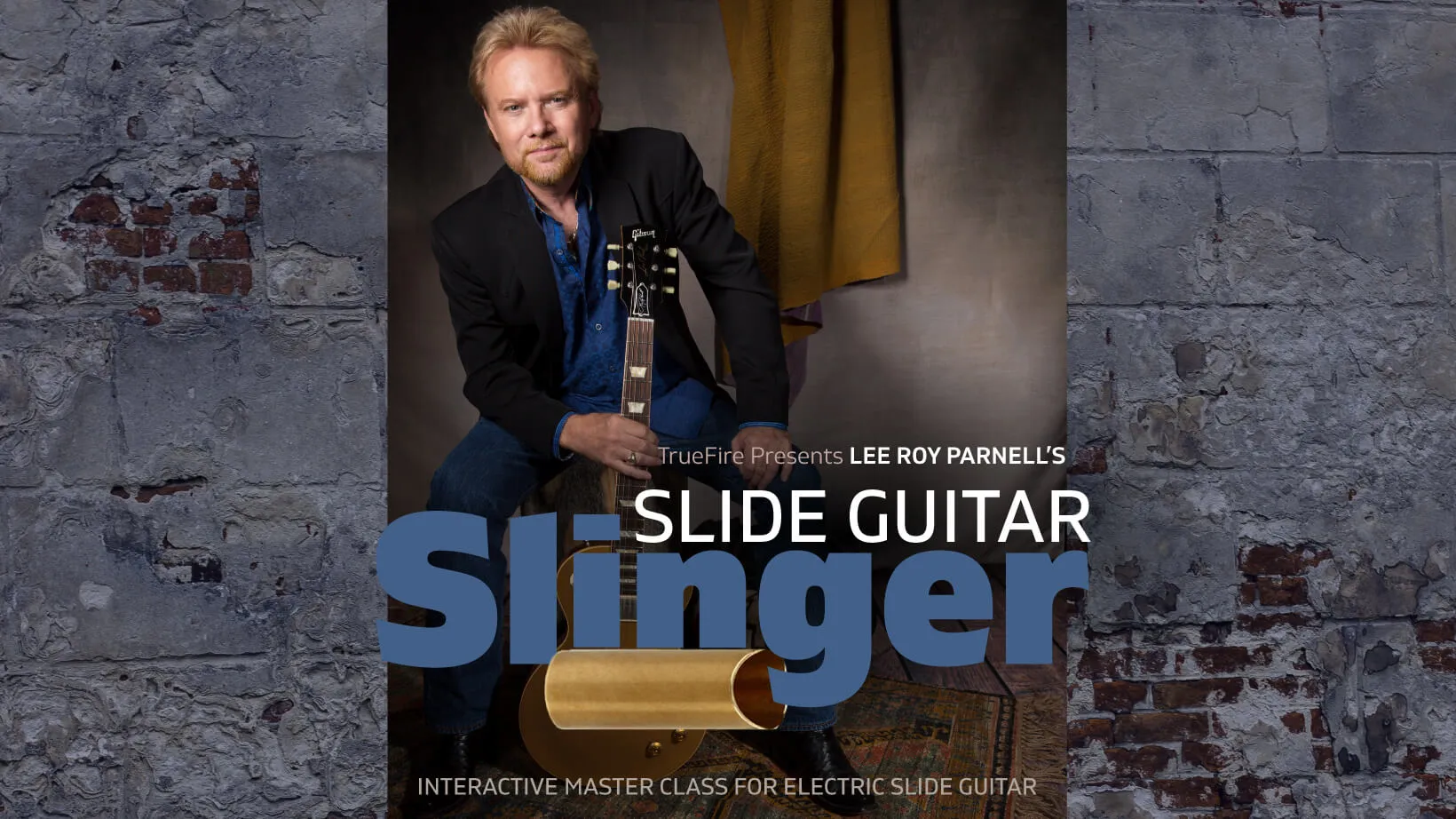
Slide Guitar Slinger

Interactive Master Class for Electric Slide Guitar

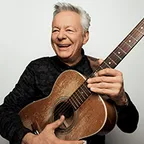
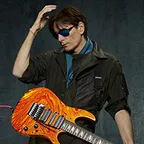
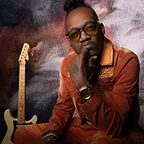
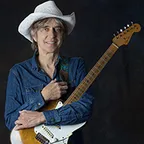
Marty FriedmanTommy EmmanuelSteve VaiEric GalesEric Johnson

Get this course and 1,000+ more with All Access

Try 14 days free. Cancel any time.

Purchase Individual Course for $9.99
Slide Guitar Slinger

About this course

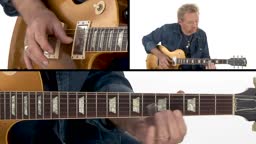
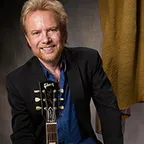
Lee Roy Parnell is widely respected as an extraordinary electric slide guitar player as well as "a fine writer blessed with a rich, soulful vocal delivery and a blistering array of guitar chops drawn almost equally from Texas blues, Memphis soul, and Southern rock traditions.” Lee Roy reveals his signature electric slide guitar approaches and techniques in Slide Guitar Slinger.

”I was drawn to slide guitar because of its melodic, vocal-like quality. Done right, you can create unique, expressive melodies and solos simply not possible with any other technique. In this course, I’ll show you 13 concepts and techniques that are signature to my sound, and then we’ll work through 6 soulful slide performance studies.”

Gibson honored Parnell with the creation of the Lee Roy Parnell Signature ’57 Les Paul Goldtop guitar and he has toured/collaborated with many music legends including The Allman Brothers Band, Merle Haggard, Delbert McClinton, and Bonnie Raitt.

In 2011, Parnell was presented with his most cherished honor: being inducted into the Texas Heritage Songwriters’ Hall of Fame. We’re thrilled to welcome Lee Roy to the family with his first TrueFire course, Slide Guitar Slinger!

Lee Roy organized Slide Guitar Slinger into two sections. In the first section, Lee Roy guides you through 13 key concepts and techniques: The Slide, Vocal-like Phrasing & Expression, Open E & D Tuning & Box Shapes, Open A & G Tuning & Box Shapes, Right Hand Approach & Muting, Slide Vibrato: Shakes & Whips, Open Strings & Pedal Points, Tonal Qualities & Note Choices, Building Solos & Themes, Guitar Setup & String Gauges, West Coast Influences, and Tones & Gear Talk.

In the second section, Lee Roy presents 6 Electric Slide Performance Studies, which he first performs and then breaks down emphasizing the concepts and techniques that he covered in the first section.

Lee Roy will explain and demonstrate all of the key concepts and approaches along the way.  You’ll get standard notation and tabs for all of the Performance Studies. Plus, Lee Roy includes all of the backing tracks for you to work with on your own. In addition, you’ll be able to loop or slow down any of the videos so that you can work with the lessons at your own pace.

Grab your guitar and let’s get slidin’ with Lee Roy Parnell!


Recommended Guitar Slides

Ariel Posen Signature Slide

Ariel Posen Guitar Slide
Buy It Now at Sweetwater >

Dunlop 212 Pyrex Glass Slide

Dunlop Glass Guitar Slide
Buy It Now at Sweetwater >

D'Addario Brass Guitar Slide

Brass Slide
Buy It Now at Sweetwater >

Amber Glass Guitar Slide

Glass Guitar Slide
Buy It Now at Sweetwater >

What you'll learn

  • Apply West Coast slide guitar style techniques
  • Create recognizable personal guitar voice
  • Construct a complete solo with intro, solo section, and outro
  • Build dynamic intensity toward song endings
  • Develop thematic consistency across song sections
Release date: 07/12/2018 • 1h 58m runtime
Start Course
Sample lessons
Vocal-like Phrasing & Expression
Demonstration
Building Solos & Themes
Demonstration
Straight 8th Groove in A
Overview
Straight 8th Groove in A
Performance

What's included

34 lessons • 10 charts • 6 Jam Tracks

Slide Guitar Slinger
Hi, I'm Lee Roy Parnell. Welcome to Slide Guitar Slinger. I was drawn to slide guitar because of its melodic, vocal-like quality. Done right, you can create unique, expressive melodies and solos simply not possible with any other technique.

In this course, I'll show you 13 concepts and techniques that are signature to my sound, and then we'll work through 6 soulful slide performance studies. All the studies are tabbed and notated and you'll also have the rhythm tracks so you can work on your own improvisational approach. You can loop and slow down the videos to work at your own pace.

Grab your guitar and your slide, and let's get started!
SECTION 1: Signature Concepts
In this first section of the course, we're going to talk about some basic techniques and concepts — things like slides, gear, tunings, etc. Let's get started.
The Slide Itself
It's important to talk about the slide itself, and the journey I've gone through finding what works for me. When I started out, slides weren't commercially available. You could break off the neck of a wine bottle and grind it down, as we'd heard the old blues guys did, or cut off a piece of pipe and use that.

For me, Corriciadan Cold Medicine bottles were the first thing I used, as did Duane Allman and others. However, through the years they began to change how they made them, and suddenly there was a "seam" on the bottle that if you hit it, you were in big trouble. And, on the road, it's hard to keep track of slides. People want them, and they'll flat out take them off your amp! So, I thought that I needed to find something that was commercially available in every music store in America. That's when I landed on the Dunlop 213, which is big, thick, and has a lot of resonance. I like it because it isn't tight on my finger, like the Corriciadan bottles were.

There are a few other slide types to be aware of: You can use a ceramic slide, with a little more texture, or a brass/metal slide, depending on what you need for your playing situation. By and large for me, the Dunlop 213 is the way to go!
Vocal-like Phrasing & Expression
One of the things that drew me to slide guitar first was the expressiveness of playing, and the ability to not be directly on one note or another. B.B. King said he would have loved to play slide guitar, but he couldn't get the vibrato down (instead developing incredible left hand vibrato that looked like a hummingbird).

Being a singer first out of necessity, the slide and voice were synonymous to me. They express the same emotion in the song. The slide on guitar is an extension of my singing voice, meant to augment, not replace. There are several instruments that have this quality, but none of them are fretted like the guitar!
Open E & D Tuning & Box Shapes
When I started playing slide guitar, there were no videos and very few books about playing guitar, and none about slide. I was living on my father's ranch in West Texas with a turntable and a guitar, sometimes with six strings on it, and sometimes in tune. When I heard Duane Allman play, I couldn't for the life of me figure out what he was doing. I struggled trying to play along in my standard tuning, unable to hit the 3rds and 7ths and frustrated that I couldn't pull it off.

I had a friend in Fort Worth who was a folky, John Fahey-esque player, who told me about open tunings and completely opened up my world. Luckily, you have TrueFire, so your journey can be a short one, unlike mine.

Here we'll look at the open E tuning, and some of the sounds that you'll recognize slide guitar players using. When playing in open D, it's the exact same thing, just tuned down a whole step.
Open A & G Tuning & Box Shapes
Now let's take a look at the open A tuning, which is also open G when tuned down a whole step.

I found that after many years of playing in open E, and only open E, I needed to find a new voice. There had already been one Duane Allman, we really didn't need another one. That's what we do as musicians — we pattern ourselves after our heroes, and then struggle to find our own sound or something that's signature to us.

To do so for me, I had to change up my guitar, amp, and my tuning as well. I started listening to the west coast players: David Lindley, Ry Cooder, Bonnie Raitt, etc. who tended to play more in the open A or G tuning. Within that, I was able to find my voice, and many of the songs that I've had big records with were in this tuning.
Right Hand Approach & Muting
Here we'll talk about right hand technique and muting. I had no idea what I was doing when I started playing guitar this way, and then someone told me I was using a right hand banjo technique. At first, I was muting behind the strings with my left hand — and I still might do that a little bit, but you can mute with your right hand much more effectively by playing with your fingers and resting them on the adjacent strings. This completely gets rid of the string rattle and cleans things up.

Something I get asked a lot is about my nails on my right hand, and why I don't use a pick, etc. What I find is that by playing with glass on your left hand and plastic on your right, you become completely divorced from the instrument. There's no human touch at all. By using my nails (with one acrylic nail added on) I'm able to get a more tactile sound.

+ 27 more lessons

Start Course

Reviews

11 results

juharuoko

Verified buyer

06/20/25

Rocking the Slide

Lee Roy is such a sympathic teacher reaching out to rock and country.
Rob M.

04/29/24

Almost required

This and Sonny Landreth’s course are the two that every slide player should study.

hansjohn

Verified buyer

01/04/23

Get Sliding

Very well present lessons on slide guitar.

Tonicoca

Verified buyer

12/09/21

Great course

If you want to improve you slide skills, that is your course. Great teacher, great

Brenda

10/26/21

Slide Guitar great instructor

If what you want is to learn how to correctly handle the slide guitar this is the right lesson to get it because of the content you can see and the variety of exercises that exist. Lee Roy Parnell does a great job explaining the content, which makes the material understandable at all times and you won't get stuck on an exercise. His handling of the instrument is a product of his experience and work with the instrument resulting in a lesson not to be missed.

Stop searching. Start improving with All Access.

Try 14 days free. Cancel any time.