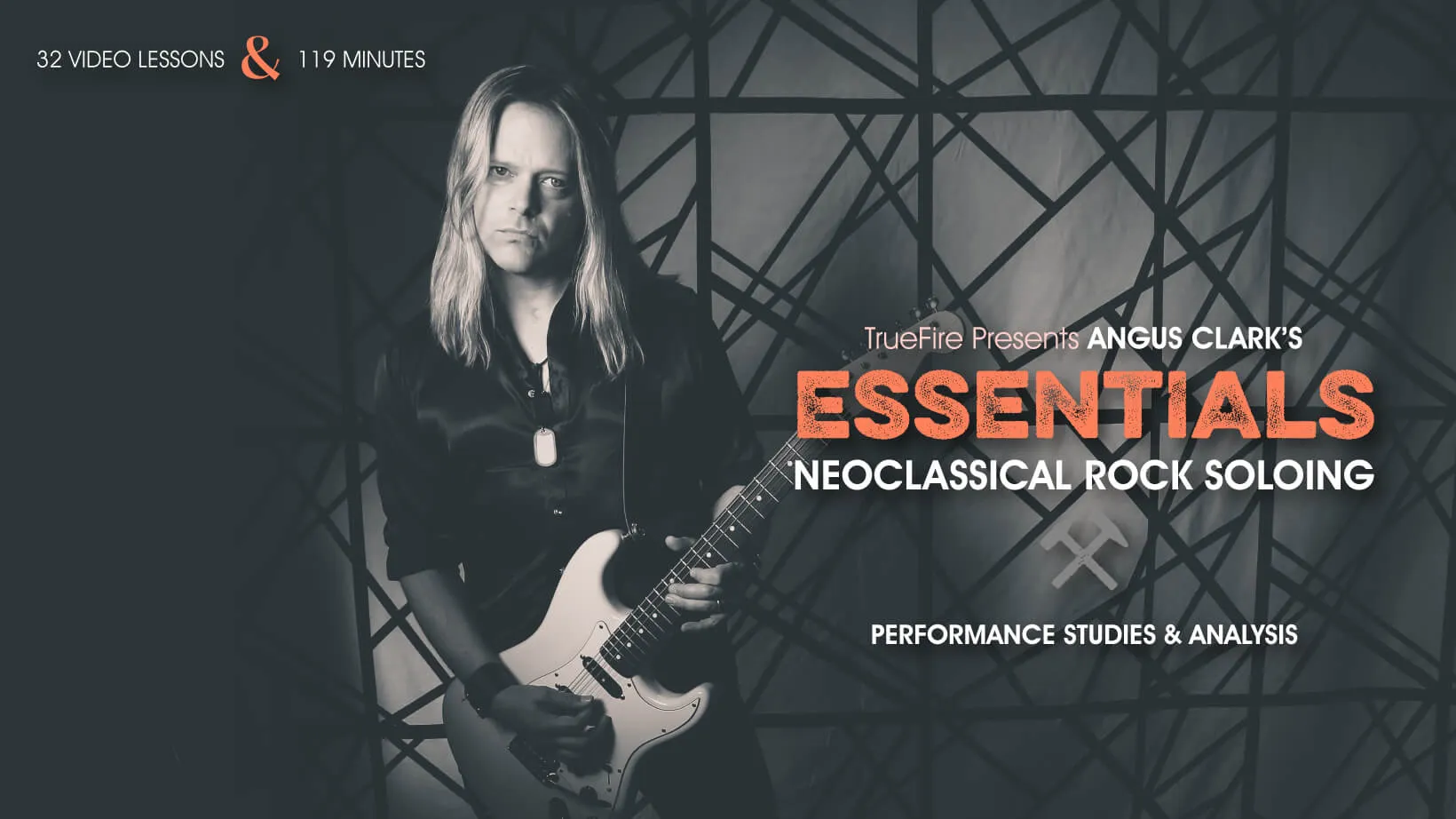
Essentials: Neoclassical Rock Soloing

Neoclassical Techniques and Approaches for Rock Lead Guitar

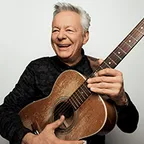
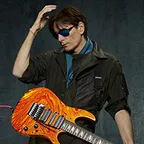
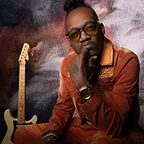
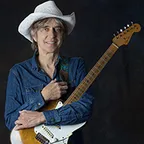
Marty FriedmanTommy EmmanuelSteve VaiEric GalesEric Johnson

Get this course and 1,000+ more with All Access

Try 14 days free. Cancel any time.

Purchase Individual Course for $14.99
Essentials: Neoclassical Rock Soloing

About this course

In the late 60's, Ritchie Blackmore combined his classical training with the sound of Heavy Metal to help give birth to the genre known as neoclassical rock. The evolution of virtuoso guitar playing throughout the 70's came from all over the US and Europe. German players like Michael Schenker (Scorpions, UFO) and Uli Jon Roth (Scorpions), brought a level of chops and flair to their music that definitely owed just as much to the legacy of European classical composers as it did to American and British blues players. By the late 70's, Edward Van Halen and Randy Rhoads effectively put the US on the neoclassical map with hi-tech classically inspired solos that opened the gates for the coming invasion from Sweden courtesy of Yngwie J. Malmsteen.

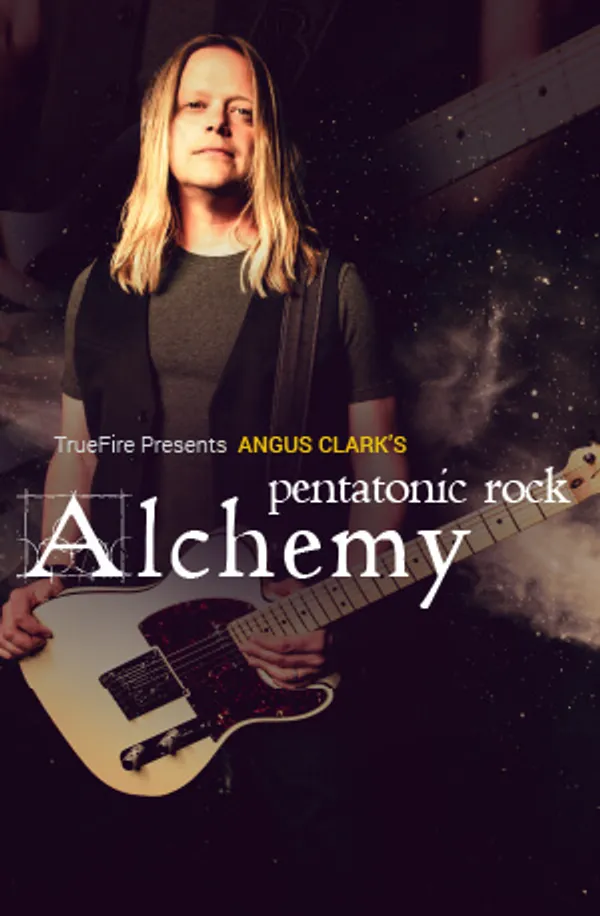
Angus Clark’s Neoclassical Rock Soloing edition of Essentials focuses on the techniques, patterns, and soloing approaches that are characteristic of the NEO Classical style as made famous by Ritchie Blackmore, Yngwie Malmsteen, Uli John Roth, Paul Gilbert and many others.

You’ll study different types of arpeggios, single string patterns, string skipping arpeggios, harmony parts, the Mixolydian mode, and how to combine blues-based improvisational approaches with classical sequences. You’ll work on a Bach-inspired study and learn how to attack the string like a violin player. You’ll explore some of Blackmore’s signature phrasing, learn several sweep arpeggios in the NEO classical style, and work on applying the harmonic minor scale in your rock solos.

Angus prepared 10 soloing studies that cover the most widely used chord progressions, keys, and tempos in the genre. For each performance study, Angus will first demonstrate the solo and then break it down for you note-by-note.

All of the performance studies are tabbed and notated for your practice, reference and study purposes. You’ll also get Guitar Pro files so that you can play, loop and/or slow down the tab and notation as you work through the lessons. Plus, Angus includes all of the backing tracks for you to work with on your own.

Grab your guitar and let’s get neoclassical with Angus Clark!

What you'll learn

  • Master harmonic minor scale techniques
  • Create exotic-sounding guitar solos
  • Develop advanced bending and legato skills
  • Understand neoclassical guitar improvisation techniques
  • Learn advanced melodic development strategies
Release date: 09/11/2017 • 1h 49m runtime
Start Course
Sample lessons
Four Giants
Four Giants
Overview
Four Giants
Four Giants
Performance
Four Giants
Four Giants
Breakdown
In the Fire
In the Fire
Overview

What's included

32 lessons • 10 charts • 10 Jam Tracks

Essentials: Neoclassical Rock Soloing
Hi, I'm Angus Clark, and Welcome to this Neoclassical Rock Soloing edition of Essentials. For this course, I wrote 10 solo etudes that cover a lot of the basics for how to the get the sound of neoclassical rock into your solo playing. The goal in this course is not to impress you with a bunch of completely over the top solos - most of the etudes are at an intermediate level, and should be within your grasp if you slow things down and practice. It will be important for you to review the rhythm parts to see how the progressions affect what kind of material can be used in the solos. Have fun with it, and let us know if you need help, TrueFire is here for you!

History
The term "neoclassical rock" came to prominence with the rise of Yngwie J. Malmsteen and the release of his first solo album, Rising Force. Classical inspired rock dates back to the LA-based session band B. Bumble and the Stingers with their 1961 release "Bumble Boogie", a swing arrangement of Rimsky-Korsakov's "Flight of the Bumble Bee" (based on a 1946 arrangement by pianist Jack Fina that was used in a Disney short). Their guitarist was named Tommy Tedesco, but most of the classical scale work was played on a piano. Meanwhile in England, Hank Marvin and the Shadows were developing a unique style of instrumental rock featuring the guitar that was melodic without being overly bluesy, which set them apart from the British blues movement that dominated the scene. Jeff Beck, Tony Iommi, and numerous other rock guitar pioneers credit the Shadows as a major influence.

In the late 60's, a UK-based session guitarist named Ritchie Blackmore was inspired by the sound of a US band called The Vanilla Fudge to form a band that combined both guitar and organ along with aggressive rock drumming. That band is called Deep Purple. Blackmore combined classical training and some of Hank Marvin's finesse with the sound of Heavy Metal. There were lots of other examples of prog and art rock bands that dipped into the classical pool for influence, like Emerson, Lake, and Palmer and Yes, but they didn't define the sound the way Deep Purple did. Blackmore and the gang were much more guitar focused and much heavier. So, Blackmore gets way more credit for birthing the neoclassical genre than anybody before or since.

The evolution of virtuoso guitar playing throughout the 70's came from all over the US and Europe. German players like Michael Schenker (Scorpions, UFO) and Uli Jon Roth (Scorpions), while not considered neoclassical rock players, brought a level of chops and flair to their music that definitely owed just as much to the legacy of European classical composers as it did to American and British blues players. By the late 70's, Edward Van Halen and Randy Rhoads effectively put the US on the neoclassical map with hi-tech classically inspired solos that opened the gates for the coming invasion from Sweden. And come it did. And his name is Yngwie. And it changed everything.

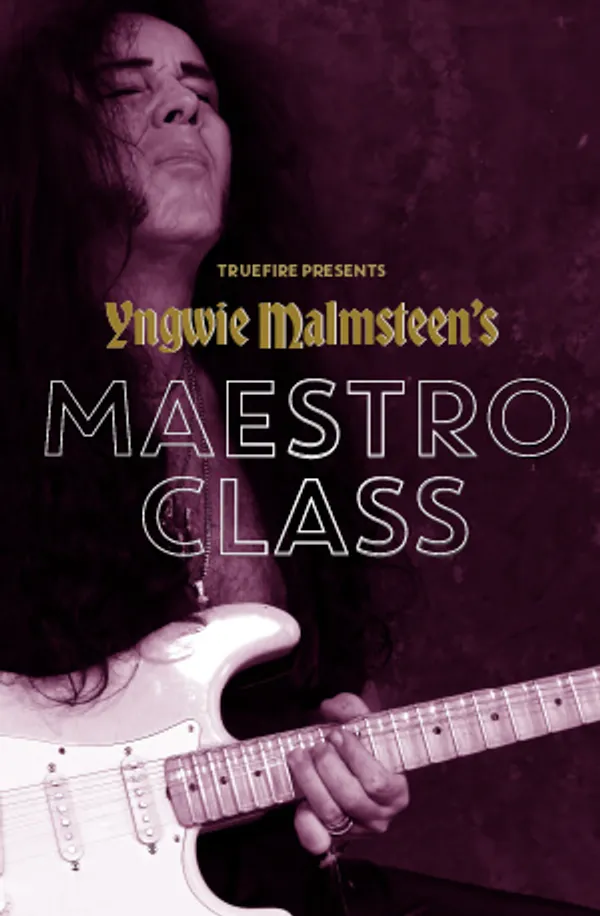
There is little that can be said here about how staggering Yngwie's appearance on the scene was that hasn't been said before, but here it goes. If you watch footage of Yngwie with Alcatrazz when he first came to the US at around the age of 20, you see a fully formed musician that is seamlessly blending virtuoso classical chops with rock improvisation and showmanship. If you try to count back the years to sort out what his musical upbringing was like, you have to assume he qualified as a child prodigy who mastered hand synchronization, scale work, and a solid classical repertoire by the time he was 13. Then he had a solid 5 years of getting his rock thing happening, so that by the time Mike Varney found him and flew him to the US to play on the Steeler record you had a bona fide miracle on your hands.

Yngwie has a lot of Blackmore in him of course. He's also got a lot of Uli Jon Roth, Edward Van Halen, Paganini, and Bach in the mix. Listening to live tapes, it's obvious that he hears everything he wants to play, and he plays everything he hears. The vibrato and tone are signature and absolutely his. After Yngwie created the new model for what neoclassical rock guitar is, there have been many that have imitated and many that have innovated and made their mark. Jason Becker and Jeff Loomis are a couple of the guys that have taken this style of play to some amazing places.
I've been playing guitar for the Trans-Siberian Orchestra for over 15 years, and their take is significantly more ELP inspired, but the guitar work that Al Pitrelli has put in on those records is as unique and innovative as anything else I've listed here. It's an honor and a privilege to be trusted with executing some of those parts while on tour. I've also been playing guitar with former Rainbow and Yngwie singer Joe Lynn Turner and I've performed a bunch of Blackmore and Yngwie songs with him. I've dug pretty deep into this material for a number of reasons, and I'm excited to share it with you here!

The Men in Black
The first etude is in E minor. The bass pedals an E while the organ plays an Emin - D - C chord progression over it. We'll be looking at three different styles of arpeggios that are characteristic of Yngwie and Blackmore and how they can be used in a solo.
The Men in Black
Please pay close attention to the picking hand during this exercise. I, like a lot of players, very often make inconsistent choices about how I pick. For certain techniques however, a specific choice about how to pick your way through the passage will unlock the whole thing for you.

Also please take note of my decision to switch pickups. I'm usually not a fan of momentary pickup selection changes - I think it can be distracting if it's done too often. In this case, it corresponds to a change in register.

On the left hand, the second set of arpeggios features me releasing the notes in order to create clarity. If you hold the notes down and let them ring into each other, you lose the melodic effect that we're going for in this example.
The Men in Black
Most of this is a strictly slowed down explanation of the etude. The one additional educational bit is about how to cheat on picking the last set of arpeggios if you want to get them really, really fast.

At the end of the video, I talk about some overall concepts that will help get you inside the mindset of neoclassical rock.
Piano Music
This is in G major, and it's modeled on how the Trans-Siberian Orchestra draws inspiration from some of the great composers like Mozart and Beethoven.
Piano Music
Listen for the sixteenth note feel during the scale passages. This is extremely important and something that a lot of players focused on technical playing overlook.
Piano Music
Please note that the 16th note feel is really important to how this piece sounds.

The first two chords are addressed using arpeggios and scales. The scale work is done using pull-offs. The last run makes use of an open string to cover a position shift which is a very classical technique.

Next, the progression changes to a I - V - vi - IV. The first round on the progression is (just like in the first etude), just arpeggios. The technique we are exploring here is using open strings to facilitate position shifts so watch closely. The scale that transitions to the next section uses a position shift in order to put us in the right position for the next downbeat.

The next section is based on a "1-2-3-1" sequence in which we target the downbeats to keep them inside the chords as the chords change underneath. Here's where your 16th note feel is really important.

PEDAL POINT LICK! You knew it was coming. Very Yngwie, very classical. Get it, learn it, know it.

SEXTUPLET PATTERN! Please note, if you aren't able to follow me calling out the names of the notes and need to use the TAB, that is a frailty in your skill set. Fix it!

+ 25 more lessons

Start Course

Reviews

12 results

Domdege

Verified buyer

06/01/26

Angus Clark Neoclassical Rock

Out of all the great instructors at True Fire Angus Clark’s courses are exactly what I’m looking for . His many courses are geared towards hard rock and will make you a better player as long as you put the work in and stay consistent.

Alessandro

08/24/24

Amazing

This is the course I've spent the most time on so far on TrueFire! I'm still learning my third song, but it's really amazing stuff. Congratulations to Angus Clark!

pmorey

Verified buyer

12/25/22

Some classic sounds and great technique builders!

Skipper1

Verified buyer

09/11/21

Angus Clark’s Neoclassical course rocks!

Amazing player and instructor! Angus Clark rocks! I love the selection of licks he puts together and his teaching style works really well for me. I highly recommend this course!

santimet

Verified buyer

01/11/21

Fabulous course to handle the arpejios. Good examples and exercises of classic melodic rock.

Stop searching. Start improving with All Access.

Try 14 days free. Cancel any time.