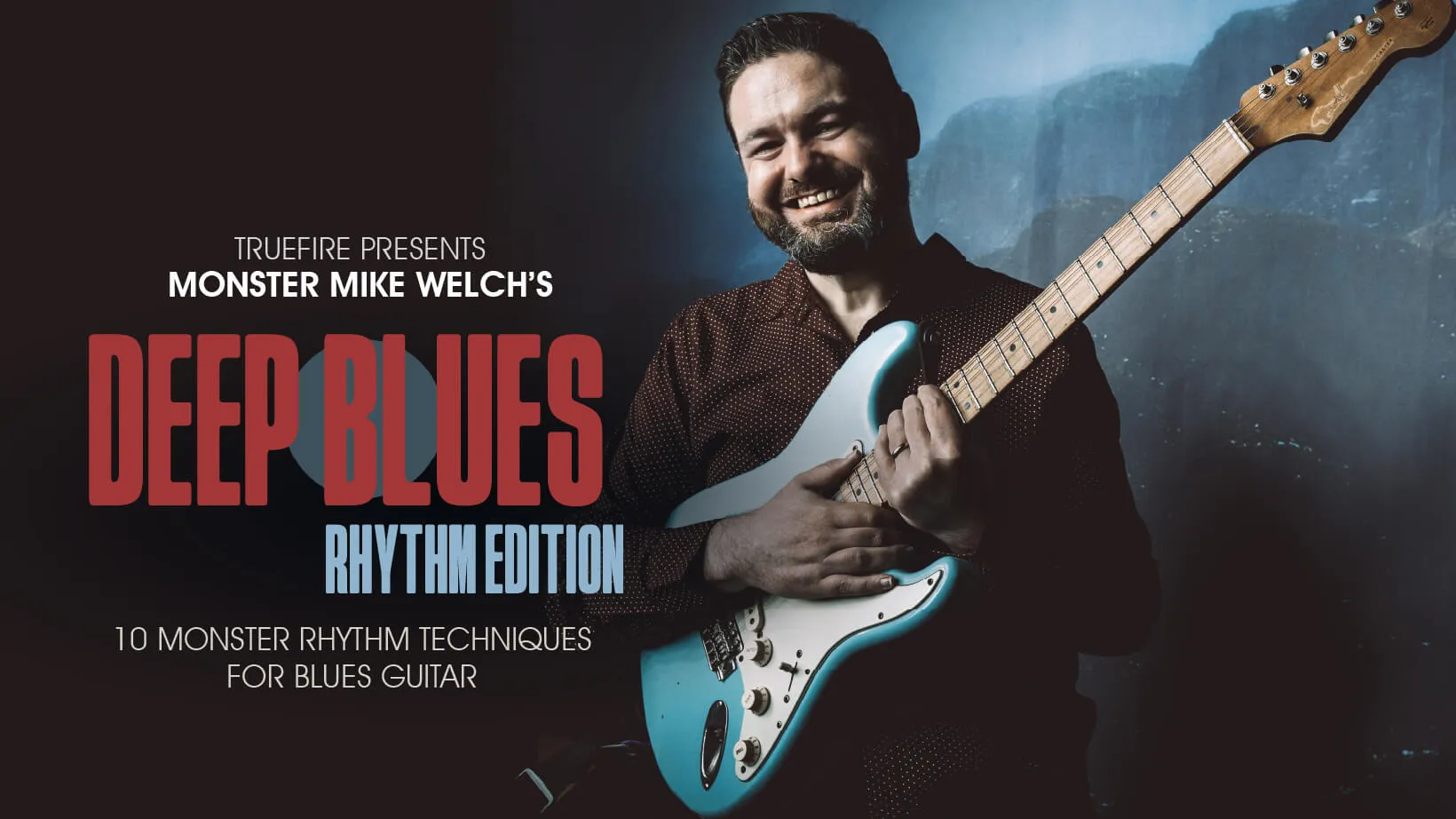
Deep Blues: Rhythm

10 Monster Rhythm Techniques for Blues Guitar

Marty FriedmanTommy EmmanuelSteve VaiEric GalesEric Johnson

Get this course and 1,000+ more with All Access

Try 14 days free. Cancel any time.

Purchase Individual Course for $14.99
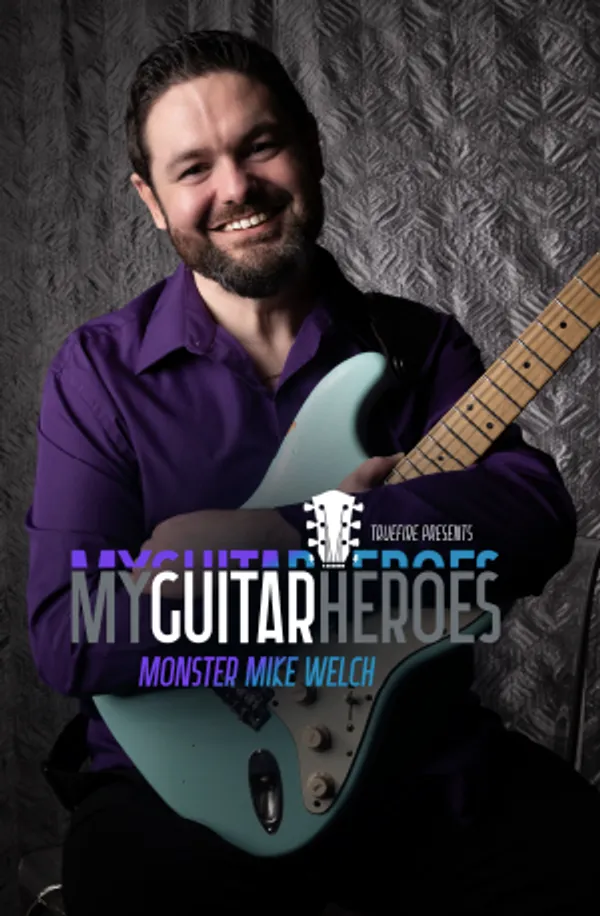
Deep Blues: Rhythm

About this course

In his first edition of Deep Blues, “Monster” Mike Welch shared 12 distinctive and highly expressive approaches for soloing over the blues. In this Rhythm Edition, Mike focuses on refining your rhythm chops with 10 creative and versatile approaches that you’ll be able to call on in the studio or on the stage.

"We all love to solo, but most of the time we’re locking in with the rhythm section to support the vocalist and other band members’ solos. Ask any band leader, and they’ll tell you that it's solid rhythm chops that gets you the gig and keeps you on stage at the local jam.

In this rhythm edition, we’ll work on rhythm approaches for the most commonly encountered blues feels — everything from organ trio shuffles, flat-tire rhythms, boogies, twelve eight strolls, and soul grooves.

We’ll play and practice together over great-sounding backing tracks. The tab is synced to the video with looping and slo-mo, so you can work with the lessons at your own pace.”


You will learn Organ Trio Shuffle Comping, Flat Tire Grooves, Double Stop Triplet Waves, Half Step Approaches for Jump Blues, Fingerpicked Boogie Woogie, Blues March Patterns, Soul Grooves, Fingerpicked Piano 12/8 Strolls, Retro Rock and Roll Approaches, and Twist-Surf-Teen Beats.

You’ll have all of TrueFire’s advanced learning tools at your finger tips to personalize your workspace and learn at your own pace.

You can loop, slow down, or speed up any section of a lesson. Plus, all of the tab and notation is synced to the videos for the optimal learning experience. You’ll also get tab and standard notation files to print out, Guitar Pro files, and all of the backing tracks to practice with.

Grab your guitar, and let’s dig in with “Monster” Mike Welch!

What you'll learn

  • Play simultaneous bass lines and chord triplets using hybrid picking
  • Play a blues march rhythm in E with proper palm muting technique
  • Create classic ascending/descending turnarounds
  • Approximate two-guitar or piano/bass arrangements with one guitar
  • Add melodic embellishments using flat third to third movement
Release date: 10/10/2023 • 2h 06m runtime
Start Course
Sample lessons
B.B.'s Flat Tire
B.B.'s Flat Tire
Overview
B.B.'s Flat Tire
B.B.'s Flat Tire
Performance
B.B.'s Flat Tire
B.B.'s Flat Tire
Breakdown
Muscle Shoals Soul
Muscle Shoals Soul
Performance

What's included

43 lessons • 20 charts • 10 Jam Tracks

Deep Blues: Rhythm Edition
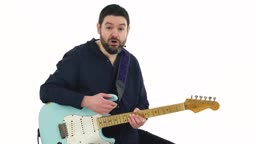
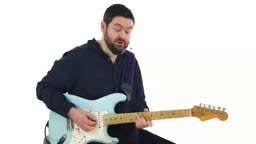
Hey, I’m Monster Mike Welch.

Welcome to the Rhythm Edition of Deep Blues!

In the first edition of Deep Blues, we focused on 12 expressive approaches for soloing over a variety of blues feels.

And while we all love to solo, we spend most of our time on stage locking in with the rhythm section to support the vocalist and other band members’ solos.

Ask any band leader, and they’ll tell you — it's solid rhythm chops that get you the gig and keeps you on the stage at the local jam.

In this rhythm edition, we’ll work on rhythm approaches for the most commonly encountered blues feels — everything from organ trio shuffles, flat-tire rhythms, boogies, twelve eight strolls, and soul grooves.

We’ll play and practice together over great-sounding backing tracks. The tab is synced to the video with looping and slo-mo, so you can work with the lessons at your own pace.

Let’s dig in!
Organ Trio Shuffle Comping
One of my favorite activities is playing very simple two or three-string chords in rhythm parts on more sophisticated, perhaps organ trio or jazzy style blues shuffles. Examples of this sound include "Organ Grinder Swing" by Jimmy Smith with Kenny Burrell on guitar and "All About My Girl" by Jimmy McGriff.This sound gained popularity in the early 60s, characterized by a trio of organ, drums, and guitar playing blues shuffles. These were danceable grooves infused with a sophisticated jazzy blues style. Guitar players often played big, lush ninth and thirteenth chords.Consider a shuffle in the key of F, with a standard walking base. The guitar often plays accents like a 9th chord or a 13th chord, producing a beautiful sound.Albert Collins, one of my biggest heroes, was unique. He played in an open minor key tuning with a capo and was intrigued by the sophisticated jazz blues sound. Instead of playing big lush jazz chords, Albert would approximate the organ right hand comping with just two notes, capturing the essence of the whole thing.The beauty lies in the simplicity: two notes, the seventh and the root of the key. For the four chord, move the bottom note down to get the third of the four chord. For the five chord, move up two frets. This approach allows for a percussive, almost country blues boogie rhythm. In the context of a more sophisticated swinging shuffle, it creates an engaging push and pull dynamic and leaves ample room for other instruments.I owe much of this unique approach to Albert Collins. It’s versatile, adaptable to various styles, including funk grooves. There’s something profoundly beautiful about eliciting a rich sound from just two strings.
Cool Collins Collected
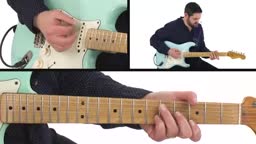
In this lesson series, we will explore the art of creating rich, percussive textures in a 12-bar blues format, specifically within an organ trio style shuffle in the key of F. We will break down the technique of using just two strings to weave a percolating rhythm that not only supports but elevates the overall musical piece. We will delve into the skill of suggesting chord changes with minimal hand movement, employing little half-step fills to add depth and dimension. Accent enhancements to enrich the sophisticated jazz shuffle will also be covered, offering insights on how to make the rhythm cut through and support the overall melody, creating a harmonious and compelling musical experience.
Cool Collins Collected
In this lesson series, we will explore the art of creating rich, percussive textures in a 12-bar blues format, specifically within an organ trio style shuffle in the key of F. We will break down the technique of using just two strings to weave a percolating rhythm that not only supports but elevates the overall musical piece. We will delve into the skill of suggesting chord changes with minimal hand movement, employing little half-step fills to add depth and dimension. Accent enhancements to enrich the sophisticated jazz shuffle will also be covered, offering insights on how to make the rhythm cut through and support the overall melody, creating a harmonious and compelling musical experience.
Cool Collins Collected
In this lesson series, we will explore the art of creating rich, percussive textures in a 12-bar blues format, specifically within an organ trio style shuffle in the key of F. We will break down the technique of using just two strings to weave a percolating rhythm that not only supports but elevates the overall musical piece. We will delve into the skill of suggesting chord changes with minimal hand movement, employing little half-step fills to add depth and dimension. Accent enhancements to enrich the sophisticated jazz shuffle will also be covered, offering insights on how to make the rhythm cut through and support the overall melody, creating a harmonious and compelling musical experience.
Flat Tire Groove Approaches
Right now, I want to dive into one of my favorite grooves and celebrate one of my favorite players in the process. There's a fantastic variation of the shuffle known as the flat tire. This groove is special because it emphasizes the upbeat, a technique achieved by the drummer playing every upbeat on the snare drum, which gives it that distinct “flat tire” feel.You’ll often hear this groove in Texas blues. For instance, Bobby Bland’s song "I Don’t Want No Woman" features it. One artist synonymous with this groove is B.B. King. B.B., my favorite guitarist, also shines as a rhythm guitar player, even though he seldom acknowledged his prowess in this area. He once said he didn’t really play chords too much, yet his chord stabs during horn solos were always impeccable. His style, influenced by the big brass sections popular among Texas blues artists of the '50s and '60s, blurred the lines between rhythm and lead parts.The use of sixth chords and similar techniques helped create those big, brassy chord accents. When playing in a band, the extent to which you blend rhythm and lead depends on your judgment and the song’s context. Sometimes, taking a step back allows other elements to shine, while other times, your guitar can be front and center, echoing the energy of a vibrant horn section.The flat tire shuffle offers a dynamic platform for anticipating upcoming chords and downbeats, creating a forward motion in the music. It allows you to lock in with the drummer's upbeat snare drum rhythm. My approach involves minimal hand movement to transition between chords, a technique influenced by voice leading, where notes of one chord are close to those of the next. For instance, B.B.’s chords often transition smoothly from a sixth chord to others, each change adding a different flavor to the music with varied sustain and attack.This style allows for colorful accent chord work while maintaining the groove’s integrity. Achieving the flat tire feel involves specific left-hand techniques, including the timing of lifting your fingers and occasional right-hand muting. The goal is a staccato effect, with each chord coming out cleanly and distinctly for that sophisticated, uptown sound. I sometimes sprinkle in single note embellishments, playing around with chord shapes to enhance the melody’s richness.
B.B.'s Flat Tire
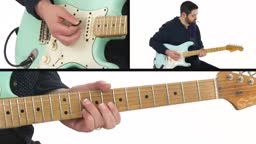
In this lesson series, we will explore the nuances and techniques of playing rhythm parts over a flat tire shuffle groove in the key of C. Participants will learn the art of transitioning between different playing styles across three choruses to create a dynamic and engaging musical experience. The journey begins with a staccato approach, evolving into a more resonant, ringing out style with high note embellishments inspired by BB King. The climax features a horn section shout chorus style, showcasing how varying rhythmic approaches using the same chords can profoundly impact the song’s character and audience’s experience. Each technique will be demonstrated and broken down in detail to offer a comprehensive learning experience.

+ 36 more lessons

Start Course

Reviews

4 results

Scblues

Verified buyer

07/29/24

Monster Mike Welch!

Probably one of the best instructional videos I’ve seen! Spoken from the heart, this is so well done from all aspects of, from a brilliant guitarist!

brosblues

Verified buyer

11/08/23

Insightful and Useful

I have just started Monster Mike Welch's latest course, but it looks like it will be worthwhile and help me to improve my rhythm playing.

morningfield

Verified buyer

10/24/23

Thanks

JAW

10/19/23

Great stuff! Very helpful rhythm ideas and great backing tracks.

Stop searching. Start improving with All Access.

Try 14 days free. Cancel any time.