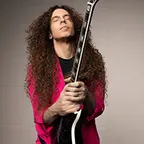
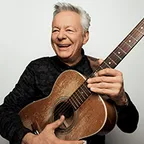
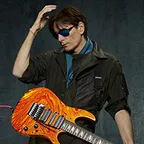
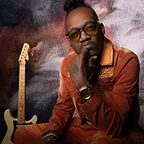
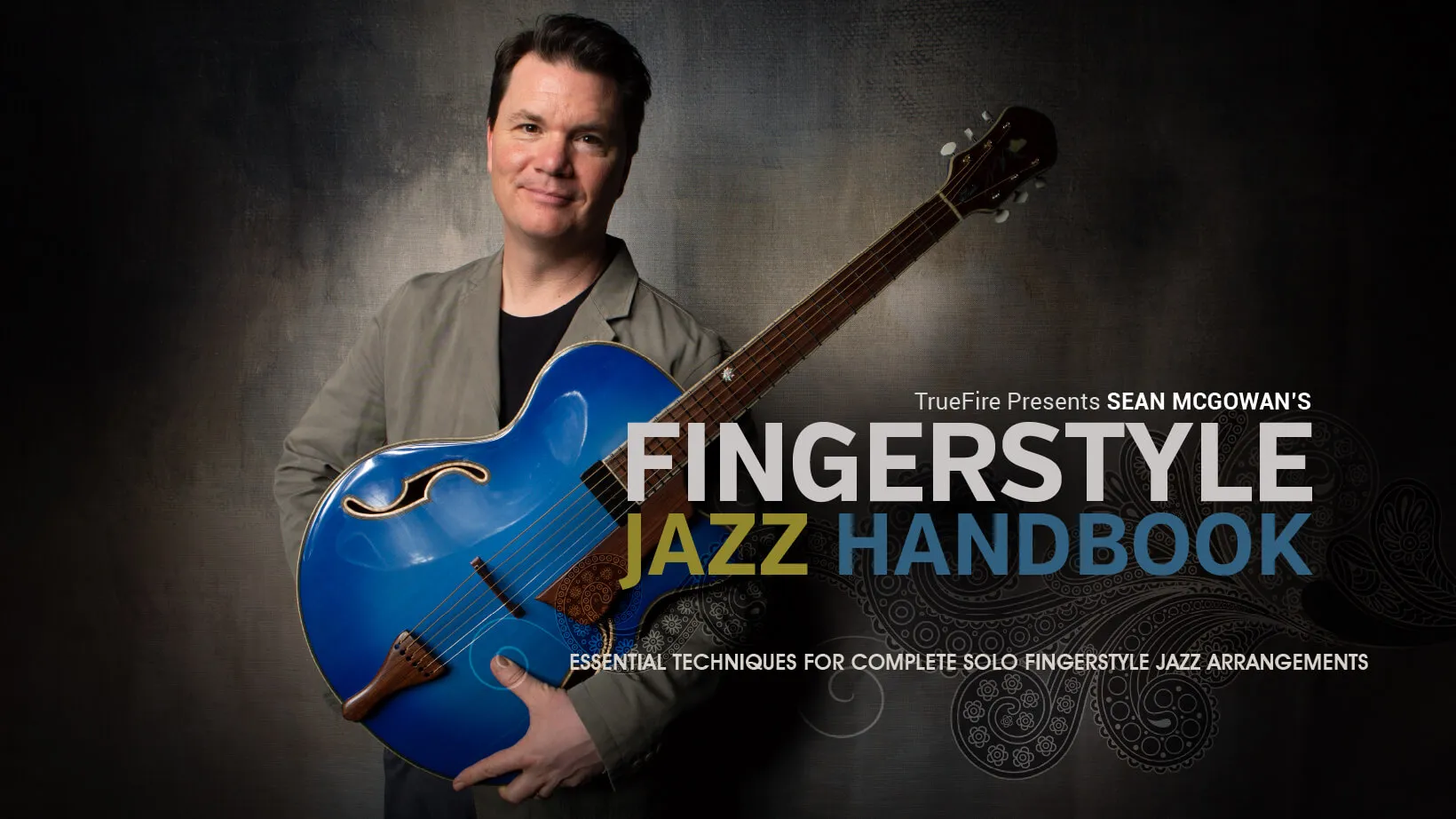
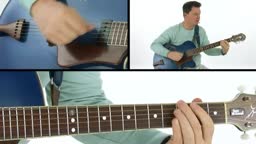
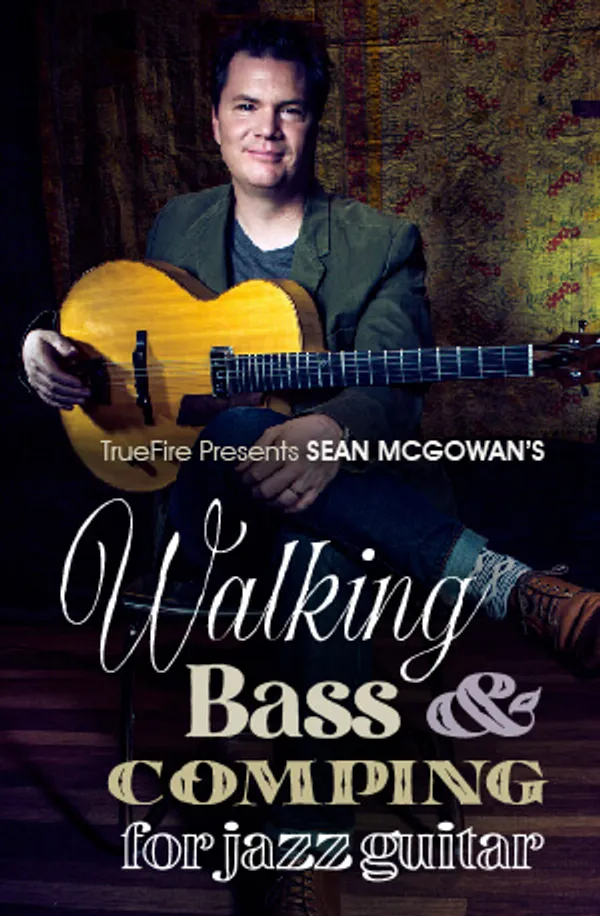
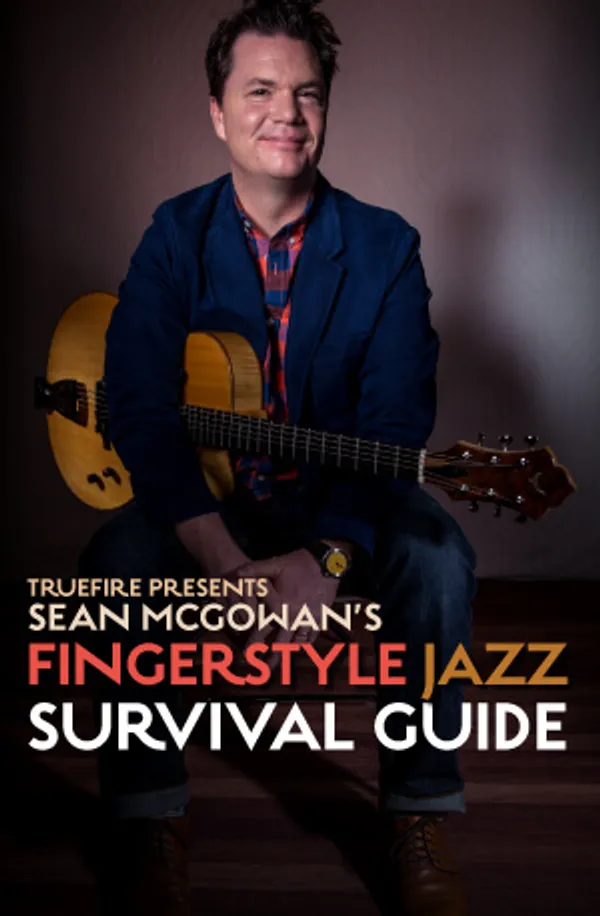
Putting the pick down and using our fingers opens the door to one of the most organic and rewarding ways to play guitar -- especially jazz guitar!
Performing multiple parts simultaneously -- walking bass lines, chord voicings, melodies, and solo lines -- Sean McGowan’s Fingerstyle Jazz Handbook will empower you to play complete, compelling solo jazz guitar arrangements simply not possible with a pick.
”Playing ‘fingerstyle’ may appear to be a daunting challenge but the jump-start curriculum that I present in this handbook -- and a little practice on your part -- will get you up and running quickly in the fingerstyle jazz game with players like Joe Pass, Lenny Breau, and Tuck Andress.
We'll be diving into the techniques, rhythmic, melodic, and harmonic concepts of fingerstyle jazz guitar. You'll learn how to develop independence in both hands to articulate a convincing swing feel playing solo jazz guitar while integrating bass, chords, and melody simultaneously to create orchestral arrangements of your favorite jazz standards - or any type of song!
Each lesson in the course is supported by an application study designed to help you master a particular technique or harmonic approach. In addition, we’ll punctuate the end of each section with a fun-to-play etude so you can show off your chops as you progress.”
Sean organized the course into five sections. In the first, he’ll help you build a strong fingerstyle jazz foundation with lessons on the left and right-hand techniques, chordal warm-ups, note articulation, walking bass, and essential jazz rhythms.
”I'll show you a number of exercises to develop technique in both hands, including finger exchange exercises that promote independence, strength, and separation of articulation, how to sustain melody notes within a chord, and a number of arpeggio exercises in 10ths.
We'll work through a number of exercises that involve playing "splits", or various picking hand patterns to keep your comping interesting. We'll also get the thumb involved by playing walking bass-lines and chord comps through different progressions and rhythmic patterns. We'll end this and every section with a fun to play étude that ties all of these concepts together.”
The second section focuses on chord voicing applications for both root five and root six structures for major chords, minor chords, and dominant chords. You’ll also learn triangle inversions and other ways to bring more sophistication to your jazz harmony.
”We'll take a close look at a variety of chord voicings that effectively harmonize melody notes on top. This approach - what I call "Melody Chord" voicings - will show you simple and effective ways of harmonizing a single note melody in any style. We'll also look at using chord inversions and triangle shape patterns to add chordal fills in the style of Joe Pass.”
In section three, the focus is single-note arpeggio lines, bebop scales, counterpoint, double stops, and artificial harmonics to take your fingerstyle jazz technique to the next level.
”Section 3 explores more advanced techniques including 7th & 9th arpeggios, common bebop scales, double-stop lines, counterpoint, and artificial harmonics. I'll also discuss improvising single-note lines in a solo guitar context.”
Section four examines more advanced approaches to harmonizing your melodies with approaches like pads, Neapolitan chords, tritone subs, deceptive cadences and more.
”In Section 4, we'll return to harmony and explore how to add interesting sounds and colors to your arrangements by adding chords, using deceptive cadences and cycles, and turnarounds from the IV and #iv half-diminished chord.”
In the final section of the course, you’ll work through five full performance studies, applying all of the concepts and approaches over a variety of fingerstyle jazz arrangements based on both blues and jazz standard progressions.
”Finally, in Section 5 we'll play through five full-length études that specifically include all of the harmonic, melodic, rhythmic, and technical concepts discussed throughout the course.”
Sean will explain and demonstrate all of the key concepts and approaches along the way. You’ll get standard notation and tabs for all of the key examples and performance studies. Plus, you’ll be able to use TrueFire’s learning tools to sync the tab and notation to the video lesson. You can also loop or slow down the videos so that you can work with the lessons at your own pace. All of the backing tracks are included to work with on your own as well.
Grab your guitar and let’s play solo jazz guitar with Sean McGowan!
What you'll learn
Navigate jazz blues chord changes with chromatic voice leading
Apply staccato and legato articulation to chord stabs
Use thumb muting technique to isolate single-note lines
Sustain melody notes while changing chord voicings underneath
Seamlessly transition between walking bass lines and single-note lead lines
Hi, I'm Sean McGowan, and welcome to the Fingerstyle Jazz Handbook! In this course, we'll be diving into the techniques, rhythmic, melodic, and harmonic concepts of fingerstyle jazz guitar. You'll learn how to develop independence in both hands to articulate a convincing swing feel playing solo jazz guitar, while integrating bass, chords, and melody simultaneously to create orchestral arrangements of your favorite jazz standards - or any type of song!
This course is divided into five distinct sections. In the first section, I'll show you a number of exercises to develop technique in both hands, including finger exchange exercises that promote independence, strength, and separation of articulation, how to sustain melody notes within a chord, and a number of arpeggio exercises in 10ths. We'll work through a number of exercises that involve playing "splits", or various picking hand patterns to keep your comping interesting. We'll also get the thumb involved by playing walking basslines and chord comps through different progressions and rhythmic patterns. And we'll end this and every section with a fun to play étude that ties all of these concepts together.
In Section 2, we'll take a close look at a variety of chord voicings that effectively harmonize melody notes on top. This approach - what I call "Melody Chord" voicings - will show you simple and effective ways of harmonizing a single note melody in any style. We'll also look at using chord inversions and triangle shape patterns to add chordal fills in the style of Joe Pass.
Section 3 explores more advanced techniques including 7th & 9th arpeggios, common bebop scales, double-stop lines, counterpoint, and artificial harmonics. I'll also discuss improvising single note lines in a solo guitar context. In Section 4, we'll return to harmony and explore how to add interesting sounds and colors to your arrangements by padding chords, using deceptive cadences and cycles, and turnarounds from the IV and #iv half-diminished chord.
Finally, in Section 5 we'll play through five full length études that specifically include all of the harmonic, melodic, rhythmic, and technical concepts discussed throughout the course. We'll play through a 12-Bar Blues in C that incorporates a walking four bassline with chords, substitutions, and single-note lines mixed in for variety. Then we'll play through a classic chord melody arrangement of a ballad based on the changes to "Stars Fell on Alabama" that features double-stop and single-note lead lines, block chords, substitutions, counterpoint, and ideas for endings. "Starlight" is a medium tempo étude that utilizes the finger articulation and independence exercises by seamlessly integrating lead lines on top of moving chords. We'll check out a Rhythm Changes progression in the key of Bb that moves through 4, 5 and 6-note chord voicings in tandem with a bassline and bebop solo lines. Finally, we'll work through another classic ballad over the changes to "Polkadots & Moonbeams" that features lush chord voicings augmented by counterpoint lines and bell-like harmonics. Each of these études feature the performance, plus an overview and extensive breakdown and analysis. So grab your guitars and let's get going!
Playing fingerstyle jazz requires independence between and coordination among the fingers of both hands, and will take a little practice. The exercises and concepts in this first section are designed to give you the technique required to play in this style.
This is a great exercise for the fretting hand fingers that promotes independence and helps define legato and staccato articulations.
This simple but powerful exercise helps to promote independence in the fingers of the fretting hand and shows you how to sustain a melody note over other contrasting parts.
This exercise features a series of chords you'll use in jazz, and develops the pivot and lead finger techniques.
These examples outline playing chord arpeggios using intervals of tenths, in the style of jazz pianist Bill Evans. They also make great exercises for string crossing with both hands.
This next set of exercises develops the fingers of the picking hand (p-i-m-a) by focusing on different permutations of arpeggio patterns and bringing out a hidden melody.
The Fingerstyle Jazz Handbook is an outstanding resource for anyone looking to build a solid foundation in fingerstyle jazz guitar. The concepts and techniques are explained clearly, making complex chord melody and soloing concepts approachable and easy to digest. The breakdown of essential techniques has significantly helped me arrange complete jazz pieces with confidence. Highly recommended for players looking to elevate their technique and musical understanding!
X
Xa1111
Verified buyer
08/31/26
Merci
M
Maksim L.
01/09/26
My second step in learning jazz guitar
Whole lotta knowledge in here. It takes great amount of time and effort to study this course. Though it's worth it. Eventually you get to the next level of playing and understanding jazz guitar. Sean is a fantastic teacher. I'm really looking forward to doing his "Walking bass line" course soon.
M
Michaeldrake
Verified buyer
12/29/25
Fingerstyle Jazz Handbook
Looks like a good course so far. I've only done the first couple of chapters, but the instructor is very clear and is starting us off with a good base knowledge of jazz chords without jumping right into some song before we know the language. The is not a quick start course. I make sure I practice the sessions each day and I find I'm moving ahead. Recommend to anyone wanting to really learn the jazz technique. I'm currently studying jazz piano with a live teacher and it's fun to move back and forth between the two instrument studies to really understand what's going on.
M
Mdcalore
Verified buyer
12/12/25
The course is great and the lessons are easy to understand.
Shawn McGowan is a great teacher and so far I am enjoying the course.