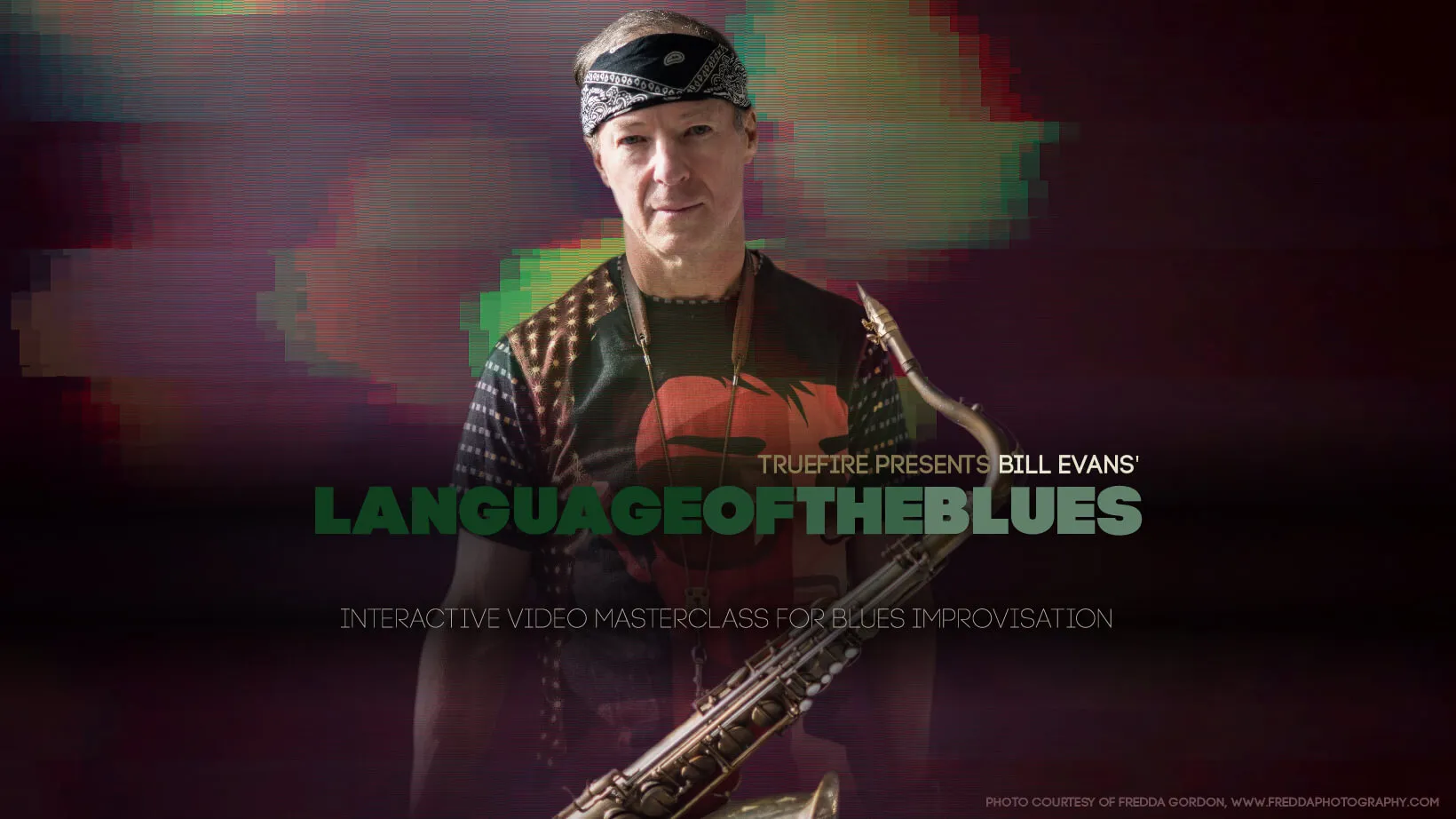

The Language of the Blues

Interactive Video Masterclass for Blues Improvisation

Marty FriedmanTommy EmmanuelSteve VaiEric GalesEric Johnson

Get this course and 1,000+ more with All Access

Try 14 days free. Cancel any time.

Purchase Individual Course for $9.99
The Language of the Blues

About this course

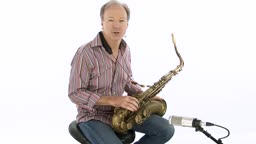
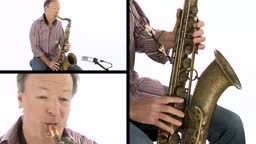
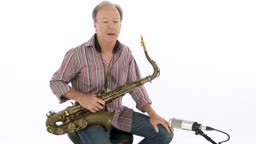
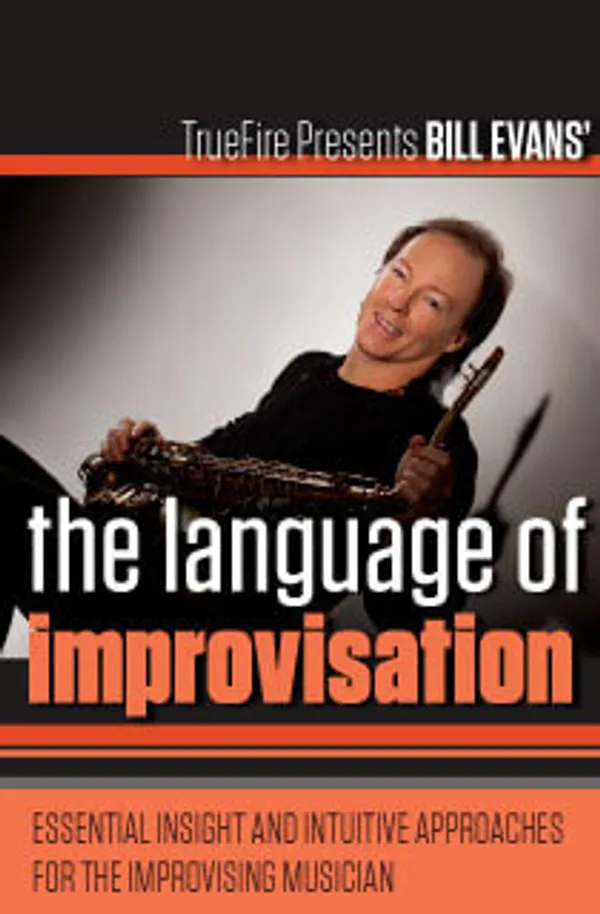
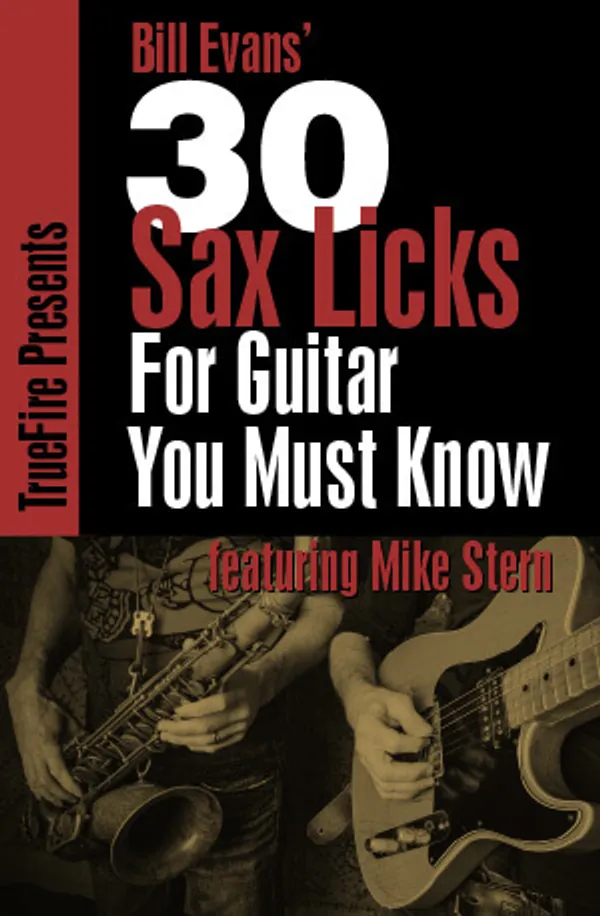
Recording and performing artist, composer, and saxophonist Bill Evans’ pedigree reads like a Who’s Who list of musical legends. Bill recorded six albums with Miles Davis, three albums with John McLaughlin, 19 solo albums, earned tons of Grammy nominations, and co-led bands with many top guitarists including Mike Stern and Robben Ford, worked with Herbie Hancock, Lee Ritenour, Dave Grusin, Willie Nelson, Bela Fleck, Mick Jagger, Allman Brothers, John Scofield, Carlos Santana and many more giants of jazz, blues, and popular music.

What can master saxophonist Bill Evans teach you about playing the blues on guitar? In a word — everything! In fact, whatever instrument you play, The Language of The Blues will impart priceless harmonic wisdom, street-smart creative approaches, and killer blues playing examples (tabbed and notated for guitar!), that will majorly lift any player’s blues craft.

”Learning how to play the blues and say more while you do it is something that will give you a feeling of adrenaline that you can get addicted to! I love playing on the blues, with so much of pop, rock, and jazz being based on it. In this course, I'll present 15 key creative and harmonic concepts that will not only help you become a better blues player, but they will also help you express the ‘you’ in your playing whatever style of music you play!”

Bill organized the course in two sections. In the first section, Bill demonstrates 15 essential concepts and approaches for blues soloing and improvisation: Starting Simple, Resolving is Key, Using Expressions, Building Motifs, Blue Notes, Swing Timing, Tension & Release, Chromaticism, Leaving Space, Major & Minor Applications, Licks & Phrases, Call & Response, Jazz Blues Color, Pentatonic Approaches, and Think Like a Singer.

10 soloing performance studies are presented in the second section. For each of the studies, Bill will indicate which of the key concepts and approaches are being applied. Bill performs the solos over backing tracks ranging across a variety of keys, feels, and tempos. All of the solos are tabbed and notated for guitar.

Bill will explain and demonstrate all of the key concepts and approaches along the way. You’ll get standard guitar notation and tabs for all of the performance studies. Plus, Bill includes all of the backing tracks for you to work with on your own. In addition, you’ll be able to loop or slow down any of the videos so that you can work with the lessons at your own pace.

Grab your guitar and let’s play the blues Bill Evans!

What you'll learn

  • How to use phrase repetition to create tension over chord changes
  • How to add jazz vocabulary to blues playing
  • How to maintain swing feel while playing complex lines
  • How to structure a blues solo with tension and release
  • Building complexity across multiple choruses
Release date: 12/19/2018 • 1h 56m runtime
Start Course
Sample lessons
Blue Notes
Blue Notes
Demonstration
Tension & Release
Tension & Release
Demonstration
D7 Swing Shuffle
D7 Swing Shuffle
Performance
D7 Swing Shuffle
D7 Swing Shuffle
Apply: Starting Simple

What's included

57 lessons • 11 charts • 11 Jam Tracks

The Language of The Blues
Hi, I'm Bill Evans and welcome to The Language of the Blues. The fact that you're here is exciting! Learning how to play the blues and say more while you do it is something that will give you a feeling of adrenaline that you can get addicted to! I love playing on the blues, with so much of pop, rock and jazz being based on it.

In this course, I'll be discussing 15 or more different concepts that will help you become a better blues player and help you become an individual who can express the you in your playing. You'll have more freedom on your instrument, and I guarantee if you spend the time to learn these concepts you can't help but become a better blues player, or should I say a better player all around!

We will discuss: call and response, timing, swing, the diminished scale and much more. So, put your seatbelt on and get ready to have some fun!
SECTION 1: Essential Concepts
In this first section of the course, we discuss 15 different approaches: Everything from using expressions, building motifs, blues notes, swing timing, and more. So let's jump in!
Starting Simple
Play just a few notes and leave some space. Try to create a simple melody with these notes . See what you can get out of a just a couple of notes. Some of the great blues artists were great at playing one or two notes and bending them, twisting them and making simple melodies out of them. Don't try to tell your story in the first minute of your solo. The blues are not meant to be an exercise in speed! Start simple!
Resolving is Key
Here's one practice idea: Create a simple blues melody with just a few notes. A simple melody! Next, play something that has nothing to do with that melody...then immediately play that first simple melody again, like bookends. Join all 3 phrases together and practice feeling that until it doesn't sound so strange to you. As long as you "resolve" it back to the original idea, it will make your line sound good and give you freedom. Always try to make melodies. Record yourself. You're learning a new language in the process. Relax.
Using Expressions
Bend notes, trill notes, hold notes, loud, soft. Use all of that! To say something in the blues, you have to over emphasize expression. Exaggerate everything when you practice it. The great performers, whether in jazz or blues, always learned how to get the most out of one note! I used to stand next to Miles Davis every night and watch him lay on one note for a while when we played a blues, and he immediately connected with the audience. ONE NOTE! You would be surprised how much you can say with just a few notes. Play a couple notes without expression. Then play the same notes with expression, to hear the difference until it becomes automatic.
Building Motifs
Create a simple riff, and keep repeating it. It will sometimes create its own momentum as other band members join in and either play it with you, or react to what you're doing. It's a great way for the band to lock in and play together. Make it rhythmic, expressive, and melodic. A blues is the best form of music to create riffs on. Concentrate on minor 3rds, 5ths and minor 7ths...more about that later.
Blue Notes
As I mentioned a little in the last section, blue notes to me basically mean the flat 3 (also called the minor 3rd), flat 5, and flat 7 (minor 7). In the blues, these are the notes that make it sound "" bluesy"". Take your time with these notes. Listen to blues artists and hear how they play these notes: Eric Clapton, Robert Cray, B.B. King, they all have an ingenious way of using the ""blue notes"" in their solos. These are the notes that an audience will identify with more than any other notes you will play!

+ 50 more lessons

Start Course

Reviews

8 results

Tom67

Verified buyer

05/12/25

Great Blues Course 🎶

Bill Evans brings a fresh angle to blues phrasing with a focus on feel and melodic shape, highly recommend it!
Osokin

Verified buyer

05/12/21

Speak The Language Of The Blues!

As a teacher, Bill Evans has a way of instilling the belief that you can become the player you want to be and be able to say the things you want to say on your instrument - in this instance by learning to speak the language of the blues. In fact he guarantees that if you spend the time to learn the concepts that he presents in this course you can't help but become a better blues player, and a better player all around!

cocopicasso

06/01/20

This course is perfect for any blues musician who wants to go the next level without any new technic

I really hope that True Fire will create more course like this one. It's off course less guitar-centric. But I really advise to anybody serious about blues to watch this course. It's all about creating music and going to the next level without any new in your technic. — Little request for the True Fire team : you should put score and tab even for this kind of course. It will help beginners.

nmerlin

Verified buyer

11/01/19

Very good

morningfield

Verified buyer

10/06/19

Thanks !!

Stop searching. Start improving with All Access.

Try 14 days free. Cancel any time.